Shipping an EV from California to North Carolina: Cost & Days

Shipping an EV From California to North Carolina: A Smarter Move to “Silicon East”

August 11, 2026 • Car Shipping Essentials
Roman Hale

Roman Hale is a sales manager and content writer based in Denver, Colorado. With hands-on experience in the moving and relocation industry, he combines a sharp sales instinct with a storyteller's voice — creating guides, city comparisons, and moving resources that help real people make confident decisions about their next chapter.

If you are relocating from the Bay Area to North Carolina, shipping an EV from California to North Carolina is almost always the smarter call than driving it yourself. The trip runs more than 2,500 miles, and your electric vehicle has better things to do than sit through twenty charging stops and five days on the highway.

Why Tech Talent Keeps Trading the Bay Area for the Research Triangle

For a long time the San Francisco Bay Area held the title of the country’s innovation capital. That has started to change. The Research Triangle in North Carolina, now widely called “Silicon East,” is pulling in engineers, startup founders, and tech executives at a steady pace. If you are joining that move, one of your first real headaches is logistics, and your vehicle sits right in the middle of it. The good news is that this part is easy to solve, and it does not have to cost you a week of your life.

The Reality of a Cross-Country EV Drive

On a map, the route from San Jose or San Francisco to Raleigh looks like a straight shot east. In practice it stretches 2,500 to 2,800 miles, depending on where you start and which highways you take. In a gas car that is already a long five-day haul. In an electric vehicle, it asks even more of you.

The Charging Time Sink

America’s charging network has come a long way, but battery physics still sets the pace. On a cross-country EV trip, your schedule bends around DC fast chargers, not the other way around.

  • 15 to 20 charging stops. Even EVs rated for 300+ miles lose range quickly at highway speeds with the climate control running.
  • Long waits at each stop. Getting from 10% to 80% takes 30 to 45 minutes. Across the whole trip, that is another 10 to 15 hours of standing around.
  • Detours off the highway. Chargers are not always right by the exit. You often drive several miles into a town you have never seen to find one.

A BETTER WAY FOR MOVING!

Get A Quote

The Working Days You Lose

Your time is worth something, and this drive eats a lot of it. Plan on five to seven days on the road at a minimum. That is close to a full week of vacation or PTO spent watching mile markers instead of settling into your new place in Cary or Durham and getting ready for the new role. Most people would rather spend those days unpacking than driving.

Fatigue Behind the Wheel

Covering 500 miles a day wears you down. Sore back, tired eyes, that glazed highway feeling by hour six. By the time you reach North Carolina, you need a couple of days just to recover before you can do anything useful. Handing the drive to a carrier skips all of that.

The Rocky Mountains Factor: Elevation and Weather

People planning this move tend to picture flat, open interstate. Part of the route is anything but. To get from California to North Carolina, your car has to cross the Rocky Mountains.

Big Elevation Swings Drain the Battery

Interstate 80 and Interstate 40 both climb through steep mountain passes with large elevation changes. Long uphill stretches pull hard on an EV battery and cut your real range well below what the dashboard promised at the bottom of the climb. You can end up hunting for a charger a lot sooner than planned.

Unpredictable Weather at Altitude

The Rockies make their own weather, and it shifts fast. Even a spring or fall move can run into:

  • Sudden snow that stops traffic for hours.
  • Freezing temperatures that temporarily cut battery range.
  • Strong crosswinds that make the car work harder and drain the pack faster.

Putting a Tesla, Rivian, or Lucid through all of that is a risk you simply do not need to take.

Businesswoman plugging charging gun into the electric gas station on the car parking outdoors
Shipping your electric vehicle safely guarantees a smooth transition to your new home.

The Hidden Costs of a Long-Distance Drive

The longer the route, the more chances there are for something to go wrong. A 2,500-mile trip puts your car in conditions it would never see on a normal Bay Area commute.

[H3] Weather and Road Hazards

Drive across the country and you are at the mercy of whatever the sky is doing that week:

  • Desert dust through Nevada and Utah that scours paint and the undercarriage.
  • Midwest hail from the sudden storms that roll across the central states. Hail can crack a panoramic roof or dent a hood in minutes.

Open transport is a solid, affordable option, and it is genuinely safe. Still, on a run this long, an open trailer leaves the car exposed to the same weather you would face driving it yourself.

Depreciation and Wear

Every mile chips away at resale value. Adding close to 3,000 miles in a single week is a real hit to your car’s equity. You also burn through a set of expensive EV tires far sooner than you should have to.

Driving It Yourself vs Shipping It: A Side-by-Side Look

Factor Driving It Yourself Enclosed Auto Transport
Time on the road 5 to 7 days 0 days (you fly)
Charging stops 15 to 20 None
Miles added to the odometer 2,500+ 0
Weather and road exposure Full exposure Fully protected
PTO burned Nearly a full week None
Wear on tires and battery Significant None

Once you add up the hotels, the food, the charging fees, and the value of a week of lost work, car shipping to North Carolina stops looking like the expensive option and starts looking like the sensible one.

About

Read More

Blog

Read More

Contact Us

Read More

How USA Auto Transport Handles Your Coast-to-Coast Move

Tech professionals expect efficiency and straight answers, and that is how USA Auto Transport runs a coast-to-coast relocation. You keep your week, and your EV stays in the same condition it left in.

Enclosed Transport for High-Value EVs

For an expensive electric vehicle, enclosed auto transport is the option worth paying a little more for.

  • Full protection from the elements. Your EV rides inside a sealed, heavy-duty trailer, out of reach of rain, snow, hail, dust, and road debris. It arrives in North Carolina looking the way it did in California.
  • Zero miles added. The odometer does not move. No depreciation, no tire wear, no rock chips.
  • Careful loading. Hydraulic lift gates keep the car level going on and off the trailer, which protects the heavy battery pack mounted underneath.

Flat-Rate Pricing With No Surprises

You get a clear, flat-rate quote for the full 2,500-mile haul before anything is booked. No moving numbers, no fine print that turns up later. Compared with the running tab of a week on the road, shipping with USA Auto Transport is usually the more economical choice, not just the easier one.

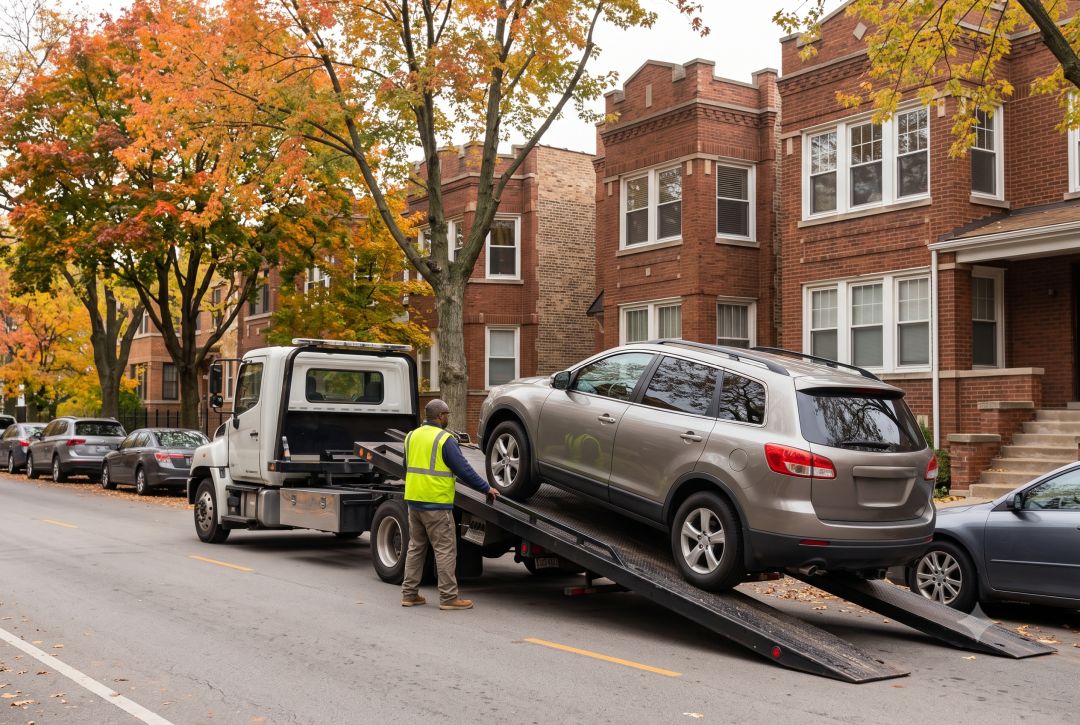
Door-to-door car shipping to Chicago offers maximum convenience for vehicle relocations.

Settling Into “Silicon East”: What Actually Changes

If you are trading the Golden Gate Bridge for the greenery of the Research Triangle, you are in for a real lifestyle upgrade. Raleigh, Durham, and Chapel Hill are booming, and daily life runs at a different pace than the Bay Area. Here is what to expect.

A Housing Market With Room to Breathe

This is usually the biggest surprise for Californians. In the Bay Area, a small older condo can run well over $1.5 million. In the Research Triangle, that same budget buys a large newer home with a yard, a home office, and a garage that is perfect for a Level 2 home charger. Tech workers are gravitating toward Cary, Apex, and Morrisville, which offer strong schools, safe streets, and short commutes to the big campuses.

Jobs and the RTP Economy

The “Silicon East” nickname is earned. Research Triangle Park (RTP) is the largest research park in the country. Apple, Google, Meta, and Cisco all have a major presence here, alongside a strong biotech and pharmaceutical sector. Salaries stay competitive while the cost of living drops, so your paycheck tends to go further.

Everyday Costs and Taxes

Your monthly spending eases up across the board. North Carolina uses a flat state income tax that sits well below California’s top brackets. Groceries, utilities, and dining out cost less. Registering an EV is simple, and auto insurance usually runs cheaper than in California’s bigger cities.

Calculator with writing cost on display
Estimating auto transport costs early helps you create a reliable vehicle shipping budget.

The Local Lifestyle

Life here is friendly and a little slower. Neighbors introduce themselves, and people chat at the grocery store. The Atlantic coast and the Blue Ridge Mountains are each about two hours away, so both the beach and the mountains make for easy weekend trips. You get four real seasons with mild winters, a lively food scene in Durham and Raleigh, great Southern barbecue, and one of the densest clusters of craft breweries anywhere.

Planning the Move: Logistics That Keep You Organized

A 2,500-mile relocation runs smoother with a plan. A few things are worth sorting out early.

Leaving the Bay Area

Getting out of the Bay Area has its own quirks. Steep, narrow streets in San Francisco and busy suburban roads in Silicon Valley make loading tricky.

  • Permits. Check your city rules to see if you need a parking permit for a moving truck or a transport carrier on your street.
  • Timing. Schedule loading outside the morning and evening commute so the trucks are not fighting traffic.

Packing and Decluttering

For a long-distance move, do not try to carry the whole load yourself. A moving company with full packing service will box your electronics, fragile items, and furniture so they survive the trip. Long moves are priced by weight and volume, so go through the house honestly first. Sell or donate what you do not love. There is little sense in paying to haul an old couch 2,500 miles when a better one is waiting in North Carolina.

A woman packing plates with packing paper before door-to-door auto transport comes to pick up her vehicle
Proper packing techniques ensure fragile household items remain safe during relocation.

The Routes We Use

USA Auto Transport drivers stick to the safest, most efficient interstates, usually heading east on I-80 or I-40. The dispatch team watches the weather across the Midwest and the Rockies. If a serious storm is building over Colorado, they can reroute the carrier south through Arizona and New Mexico to keep your EV clear of it.

Moving from California to North Carolina is a genuine step up: better lifestyle, strong career options, and a real community of tech people already there. Your vehicle should be the easy part. With USA Auto Transport, you fly into Raleigh-Durham International Airport (RDU), pick up your EV in the same shape it left California, and drive straight to your new home. Booking early helps, since popular routes like Bay Area to the Research Triangle fill up fast.

A BETTER WAY FOR MOVING!

Get A Quote

The Bottom Line on Shipping Your EV Cross-Country

Shipping an EV from California to North Carolina comes down to a simple trade. You can give up a week of your life to charging stops, mountain passes, and highway fatigue, or you can hand the car to a carrier and get on with your move. For most people making the jump to “Silicon East,” the second option wins every time.

The math backs it up. No 2,500 miles added to the odometer, no wear on a set of expensive EV tires, no exposure to desert dust or Midwest hail. You fly into Raleigh, your electric vehicle arrives in the same condition it left, and you start your new chapter rested instead of road-worn.

USA Auto Transport keeps that part simple. Enclosed transport for your Tesla, Rivian, or Lucid, flat-rate pricing with no surprises, and a dispatch team that reroutes around bad weather before it becomes your problem. Book early, since Bay Area to Research Triangle routes fill up fast, and let your car be the easy part of the move.

FAQ

How much does it cost to ship a car from California to North Carolina?

It depends on a few things: the size and weight of your vehicle, the season, and whether you pick open or enclosed transport. EVs tend to weigh more because of the battery, and pricing can reflect that. For a number that fits your exact car and dates, use the free quote calculator on the USA Auto Transport site.

How long does coast-to-coast transport take?

For a route of 2,500+ miles from California to North Carolina, plan on 7 to 10 days. That window keeps drivers within federal hours-of-service rules while they cross the country safely.

Do I need to charge my EV before shipping?

Please do not charge it all the way. For transport, we ask for a battery level between 30% and 50%. That is enough to load and unload the car easily, and it keeps a fully charged lithium-ion pack off the trailer, which is the safer setup.

Should I choose open or enclosed transport for my EV?

Open transport is safe and budget-friendly, and plenty of cars ship that way. For a long cross-country move with a high-value EV, enclosed transport is the better fit. It shields the car from weather, debris, and grime, so it shows up clean and undamaged.

Can I pack personal belongings inside the car?

Federal rules limit what can ride inside a vehicle on a carrier. You can usually keep up to 100 lbs of items locked in the trunk, but those items are not covered by the carrier’s insurance. Sending your valuables with your household movers is the safer choice.

Is my vehicle insured during the trip?

Yes. From the moment your EV is loaded until you sign for it in North Carolina, it is covered by the carrier’s cargo insurance. Protecting your car is the whole job.

Get a Quote
check mark
Download as PDF

Moving Checklist

Get a Free Estimate 323-524-0031