Car Shipping New York to Los Angeles | 2026 Relocation Guide

From MetroCard to Car Keys: The Ultimate Guide to Relocating from NYC to LA

April 16, 2026Moving Tips

There is a very specific, bittersweet moment when you swipe your MetroCard for the very last time. Trading the vertical, concrete canyons of Manhattan for the sprawling, sun-drenched boulevards of Southern California is one of the most thrilling transitions you can make — but it also demands a complete overhaul of how you move through your daily life. If you are planning this coast-to-coast leap, arranging reliable car shipping from New York to Los Angeles should sit at the very top of your to-do list.

When you move from New York to Los Angeles, you are not simply updating your ZIP code. You are stepping into an entirely different daily ecosystem. The sprint down the subway stairs, the swipe through the turnstile, the rattle of the A train — all of it gets replaced by a steering wheel, a GPS voice, and a freeway on-ramp. This comprehensive West Coast moving guide is here to help you navigate that shift with confidence, from the mental preparation and purchasing the right vehicle, to getting your car safely delivered to your new doorstep so it is ready the moment you touch down at LAX.

Los Angeles street
Ship your car safely to sunny Los Angeles with our auto transport.

Goodbye Subway, Hello Garage: Adapting to LA’s Car Culture

Let’s be honest: the biggest culture shock for a lifelong New Yorker is not the year-round sunshine or the palm trees. It is the inescapable reality that you must have a car. In New York City, owning a vehicle is often seen as an expensive luxury — something that means battling alternate-side parking, paying eye-watering garage fees, and dodging double-parked delivery trucks. In Los Angeles, a car is not a luxury. It is the absolute baseline of daily existence.

Think about how you currently run errands. In NYC, you might swing by the bodega, the dry cleaner, and the pharmacy in a single walk around your block, bags in hand. In LA, the same errand run means driving to a sprawling parking lot, filling a cart, and loading everything into a trunk. Your soundtrack shifts too: the rumble of the subway and the chatter of street performers give way to the steady hum of the 405 Freeway. Adapting to driving in Los Angeles means accepting that your car will become your mobile office, your dining room, your sanctuary, and your primary connection to the world around you.

To make this transition as smooth as possible, your California moving logistics must prioritize your vehicle situation well before you tape up your first moving box.

A BETTER WAY FOR MOVING!

Get A Quote

Anatomy of Traffic: How NYC Gridlock and LA Freeways Play by Different Rules

Traffic in both cities is legendary, but it behaves in fundamentally different ways. Understanding the core traffic differences between NYC and LA is critical for both your sanity and your safety.

New York City: The Gridlock Battle

NYC traffic is chaotic, aggressive, and highly localized. You might find yourself completely stuck on a narrow Midtown avenue, surrounded by honking cabs, fearless delivery cyclists, and pedestrians who jaywalk without a second thought. The speed limit hovers around 25 mph and actual progress often feels even slower. Driving in New York is an exercise in defensive reflexes and iron-clad patience.

Los Angeles: The High-Speed Sprawl

Los Angeles traffic is an entirely different animal. It is sprawling, fast-moving, and suddenly unpredictable. You might be cruising a six-lane freeway at 70 mph, admiring the San Gabriel Mountains, only to slam into a wall of brake lights and crawl at 15 mph with millions of other commuters.

In LA, distance is never measured in miles — it is measured in minutes. Ask a local how far Santa Monica is from Silver Lake, and they will not say “15 miles.” They will say, “20 minutes at midnight, two hours at 5 PM.”

Because you will spend so much time on these freeways, Los Angeles car culture places an enormous premium on interior comfort and technology. Your car is not just transportation — it is where a significant portion of your day unfolds.

Enclosed Auto Transport

Read More

Blog

Read More

About

Read More

What to Look for in an “LA-Ready” Vehicle

  • Impeccable Air Conditioning — absolutely non-negotiable. The Southern California sun is relentless, especially July through October.
  • Ergonomic Seating and Comfort — lumbar support, ventilated seats, and spacious legroom will save your back during long commutes.
  • Fuel Efficiency or EV Capabilities — California’s roads are increasingly dominated by electric and hybrid vehicles. Gas prices here rank among the highest in the nation. An EV or plug-in hybrid saves money and often grants coveted HOV lane access even when driving solo.
  • Premium Sound System & Tech Integration — Apple CarPlay or Android Auto is essential for navigating LA’s complex freeway web, and your daily commute is prime time for podcasts and audiobooks.

Timing Is Everything: Why You Should Buy Your Car in NY/NJ Before Moving

1.You Know the Territory

You already know the dealerships, you may have a trusted mechanic, and you are comfortable negotiating in familiar surroundings. Buying a car demands research, test drives, and focus. Trying to do all of that while living out of a suitcase in a city you barely know is a recipe for a rushed, expensive mistake.

2. Simpler Paperwork and Financing

Securing an auto loan depends on your employment history, credit score, and current address. Setting up financing and insurance is significantly easier while you still have your established East Coast address and employment records. If you wait, lenders may view a brand-new address and a brand-new job as higher risk, which could complicate your approval or raise your interest rates.

3. Immediate Mobility the Moment You Land

Picture this: after weeks of packing, emotional goodbyes, and logistical chaos, you finally land at LAX, completely exhausted. The last thing you want is to spend your first days in California taking rideshares to dealerships and haggling over prices. When you buy ahead and ship your car with a trusted service like USA Auto Transport, your vehicle is waiting for you. You land, you pick up the keys, and your new life starts instantly.

Critical Warning: The “California Certified” Rule

If you buy a car in NY or NJ, there is one massive legal hurdle you must be aware of: California emissions standards. California has the strictest environmental regulations in the country, managed by the California Air Resources Board (CARB).

Before signing any paperwork on the East Coast, physically check the Vehicle Emission Control Information (VECI) label under the hood. You need to see language stating the vehicle is “50-state emissions legal” or “certified for sale in California.” If a car only meets Federal (EPA) standards, you will not be able to register it at the California DMV — leaving you with a car you cannot legally drive. Always tell the dealer: “I am moving to California and need to register this vehicle there.”

Skip the Road Trip: Why Driving Cross-Country During a Move Is a Bad Idea

So you have purchased the perfect LA-ready car. Now comes the question of getting it 2,800 miles across the country. The romanticized idea of a cross-country road trip — Route 66, quirky diners, wind in your hair — sounds incredible. The reality of doing it during a major life relocation is far less glamorous.

  • Massive Wear and Tear — nearly 3,000 miles instantly depreciates your car’s value, wears down tires, and pushes you thousands of miles closer to your next expensive maintenance service.
  • The Hidden Financial Toll — fuel or EV charging stops for 2,800 miles, five to seven nights of hotels, meals on the road, and potential emergency repairs. When you add it all up, a DIY road trip often costs more than professional shipping.
  • Physical and Mental Exhaustion — eight to ten hours a day behind the wheel, navigating mountain passes, semi-trucks, and unpredictable weather. You should arrive in LA refreshed and ready to unpack — not in need of a week-long recovery.
  • Time You Cannot Get Back — a cross-country drive eats roughly a full week. That is a week you could spend settling into your new apartment, exploring your neighborhood, or simply recharging before a new job.

This is exactly where professional cross-country car shipping becomes your greatest strategic advantage.

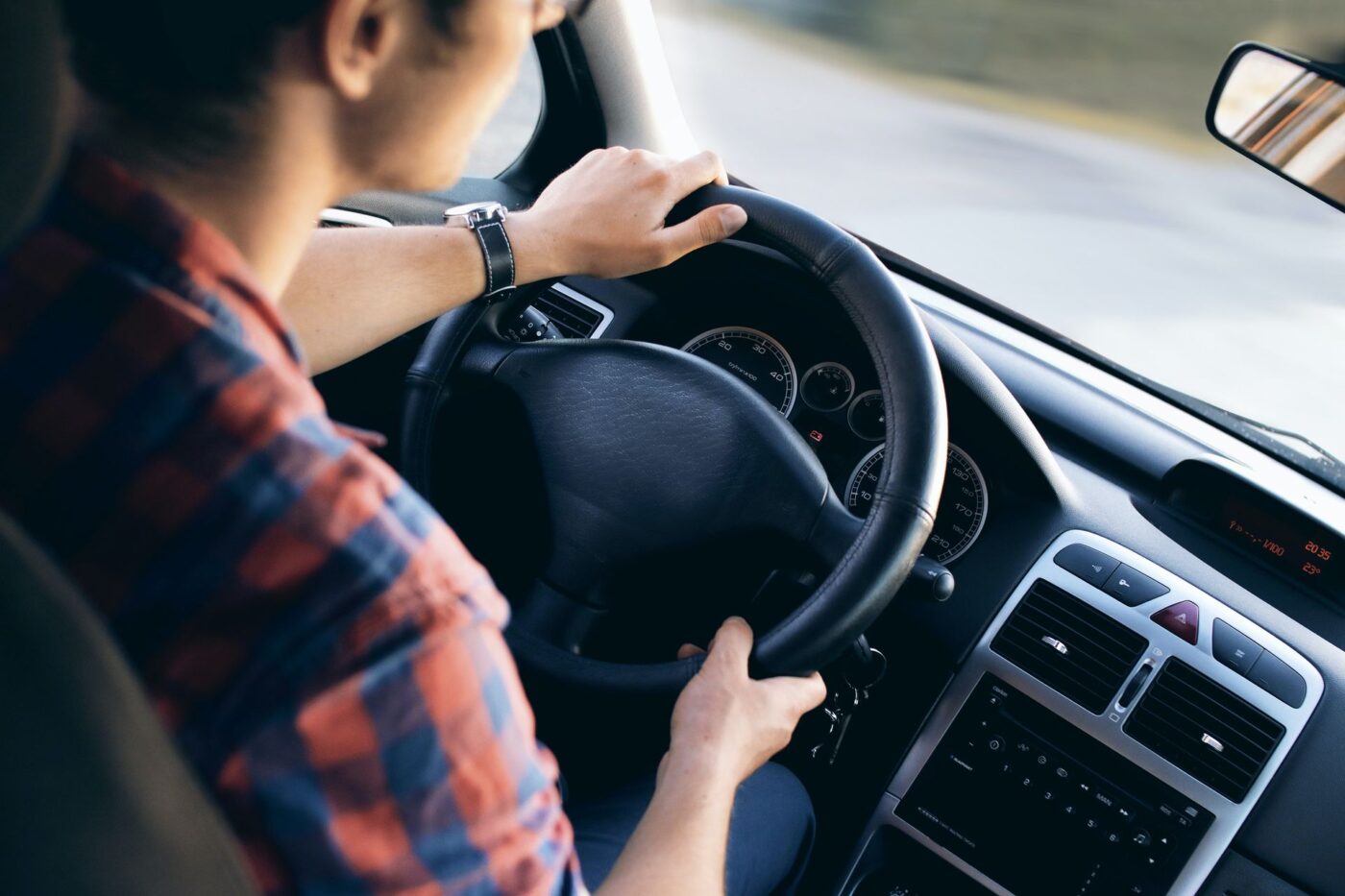
Person driving a car to a car shipping company
Easily drop off your vehicle for secure nationwide car shipping.

The Smart Move: How Cross-Country Car Shipping Works

At its core, auto transport is a logistical service where a commercial carrier loads your vehicle onto a specialized truck and drives it across the country for you. Instead of your engine doing the work and your tires eating the asphalt, your car safely hitches a ride while you fly comfortably and arrive in hours.

For a move of this magnitude, partnering with an experienced company like USA Auto Transport means the heavy lifting is handled for you — from pickup at your East Coast address to delivery at your new home in Los Angeles.

Open vs. Enclosed Transport: Choosing Your Shield

Open Auto Transport is the industry standard and the most cost-effective option. Your car is securely strapped onto an open-air trailer — the same type of multi-car hauler you see on highways every day. Your vehicle will be exposed to sun, rain, and road dust, exactly as it would be if you were driving it yourself. It is perfectly safe and ideal for standard daily drivers, family SUVs, and leased vehicles.

Enclosed Auto Transport is the white-glove service of the industry. Your vehicle travels inside a fully enclosed trailer with solid walls and a roof, completely shielded from the elements. These trailers often feature hydraulic lift gates for low-clearance vehicles. Because they carry fewer cars and offer maximum protection, this service comes at a premium — but it is the right choice for luxury vehicles, classic cars, and high-end sports cars where even a minor blemish is unacceptable.

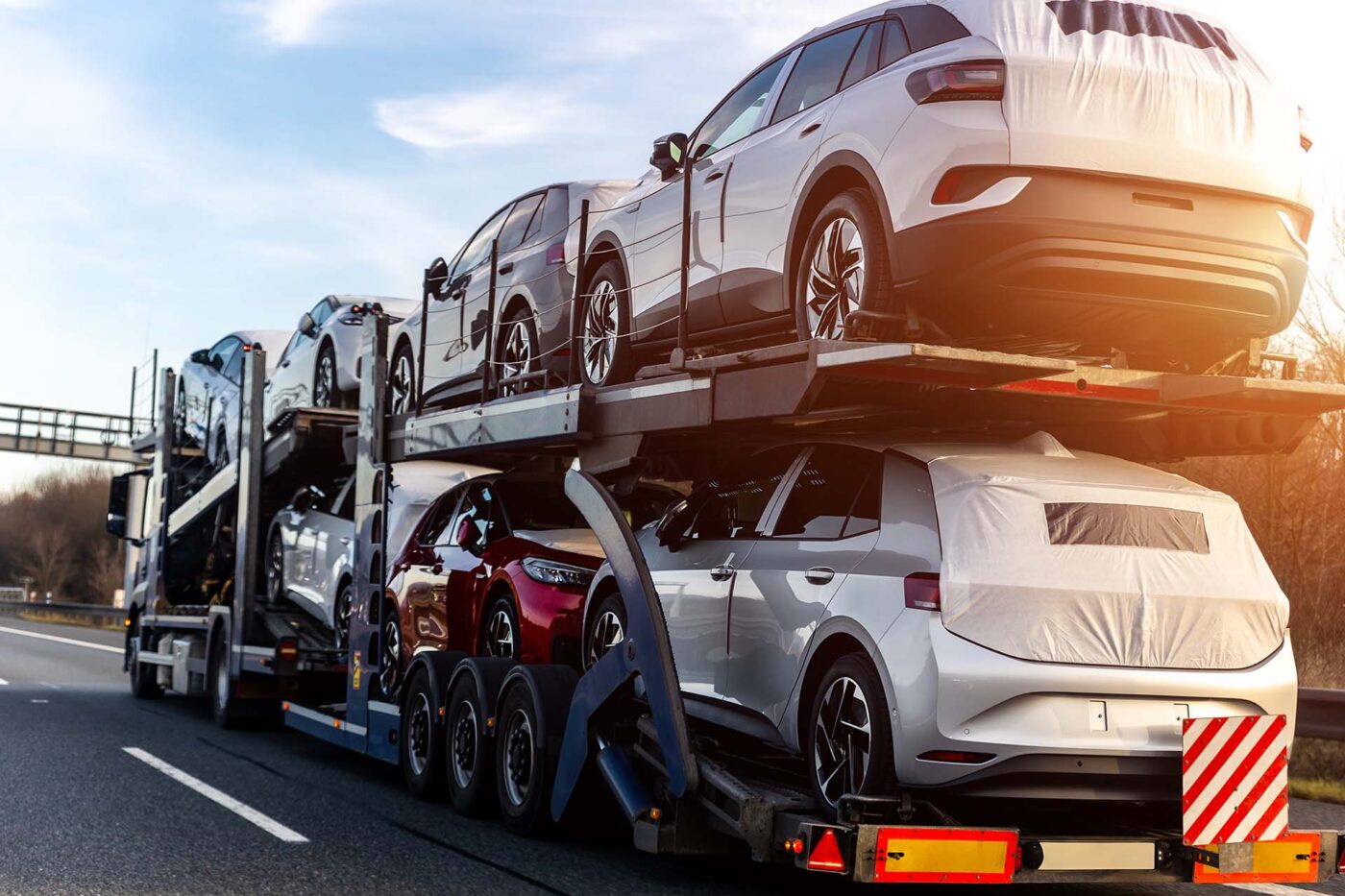
Tow truck car carrier semi trailer on highway carrying batch of new wrapped electric SUVs on motorway road at sunset evening time. Business distribution logistics service. Lorry driving highway.
Reliable open trailer auto transport for your car shipping needs.

Door-to-Door Delivery: The Ultimate Convenience

One of the most appealing features of modern car shipping is door-to-door transport. You do not have to drive your car to a remote terminal. The carrier picks up your vehicle as close to your East Coast home as safely possible, drives it across the country, and delivers it near your new LA address.

A practical note: fully loaded auto transport trucks can stretch up to 80 feet. They cannot navigate narrow Brooklyn side streets or the steep residential hills of Los Feliz. In these common situations, the driver will coordinate a nearby meeting point — such as a large parking lot or a wide commercial boulevard — for a safe, easy handoff.

What to Expect: Transit Times and Preparation Tips

On average, a coast-to-coast auto transport trip takes 7 to 10 days. Several factors shape this timeline:

  • Federal Safety Regulations — commercial truck drivers are legally limited in their daily driving hours to prevent fatigue and ensure highway safety.
  • Weather and Route Conditions — the truck passes through multiple climate zones. Storms in the Midwest or high winds in the Rockies may cause temporary slowdowns. Safety always comes first.
  • Multi-Vehicle Logistics — your car likely shares the trailer with others, so the driver makes scheduled stops along the route to load and deliver additional vehicles.

To ensure the smoothest experience, book your transport at least two to three weeks before your desired pickup date. This gives dispatchers enough time to secure a reliable carrier aligned with your moving schedule.

A BETTER WAY FOR MOVING!

Get A Quote

Welcome to the City of Angels

Trading the subway grates for palm tree-lined boulevards is a momentous occasion. Moving to Los Angeles opens up a world of weekend trips to Joshua Tree, scenic drives up the Pacific Coast Highway, and exploring the vast, diverse neighborhoods of Southern California.

By taking control of your logistics early — buying the right car in NY/NJ, confirming it meets California emissions standards, and trusting professionals like USA Auto Transport to handle the cross-country shipping — you remove the heaviest burden from your shoulders. Instead of arriving exhausted and overwhelmed, you step off your flight at LAX, take a deep breath of warm Pacific air, and simply wait for your car to arrive.

The hard work is done. Roll down the windows, turn up the music, and enjoy the drive. Welcome to LA.

FAQ

Can I pack personal belongings inside my car during shipping?

The short answer: no. Auto transport carriers are licensed to haul vehicles, not household goods. Heavy boxes add weight that can push the truck over legal limits and risk damaging your car’s interior or suspension. Most carriers will allow up to 100 lbs of soft goods — blankets, pillows, or clothing in a duffel bag — secured in the trunk and out of sight. Always confirm with your carrier beforehand.

How does shipping an Electric Vehicle differ from a gas car?

Shipping EVs is extremely common in 2026, but it requires one key step: battery management. Hand over your EV with the battery charged between 40% and 60%. A full charge is unnecessary and lithium-ion batteries are safest at a moderate level during transit. An empty battery is equally problematic — background systems cause a slight “vampire drain” over the 7–10 day journey. A 50% charge leaves the driver enough power for loading and unloading, and gives you enough range to reach a charging station or your new home upon delivery.

What if my car is damaged during transport?

While damage during professional transport is exceedingly rare, every reputable carrier carries comprehensive cargo insurance. If you notice a new scratch or dent upon delivery, point it out to the driver immediately and ensure it is documented on the final Bill of Lading before you sign. You then file a claim directly with the carrier’s insurance company for prompt resolution and repair.

How much gas should I leave in the tank?

Leave approximately a quarter tank of fuel. This provides more than enough for the carrier to drive the car on and off the trailer during loading and unloading. A full tank adds unnecessary weight and can affect the truck’s legal weight limits.

Will I know exactly when my car arrives in Los Angeles?

Auto transport works on estimated delivery windows rather than exact guarantees, given the 2,800-mile journey through varying traffic and weather. However, you are never left guessing. You receive an estimated transit window at booking, and the driver will call you 12 to 24 hours before arrival to give you a precise ETA and coordinate the exact delivery point.

Get a Quote
check mark
Download as PDF

Moving Checklist

Get a Free Estimate 323-524-0031