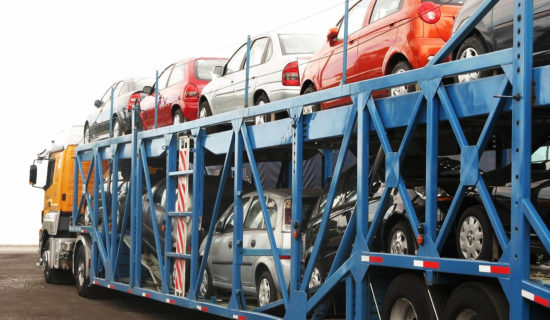
For a standard sedan, open transport rates in 2026 range from $700 (NYC to Jacksonville) to $1,300 (NYC to Miami). Enclosed transport runs $1,100–$2,000 depending on destination. Larger vehicles cost more.

New York to Florida is the busiest auto transport corridor on the East Coast. Snowbirds, permanent relocators, online car buyers, and college families all ship vehicles on this route — and in 2026, the volume is still growing alongside the broader NY-to-FL migration trend.
The question everyone starts with: what does it actually cost?
The answer depends on your vehicle, your timeline, whether you want open or enclosed transport, and the specific cities involved. A sedan from NYC to Miami is a different quote than an SUV from Albany to Tampa.
This guide gives you real 2026 pricing for the major New York-to-Florida routes, explains what drives costs up or down, and walks you through the process from booking to delivery — so you know exactly what to expect before you hand over your keys.
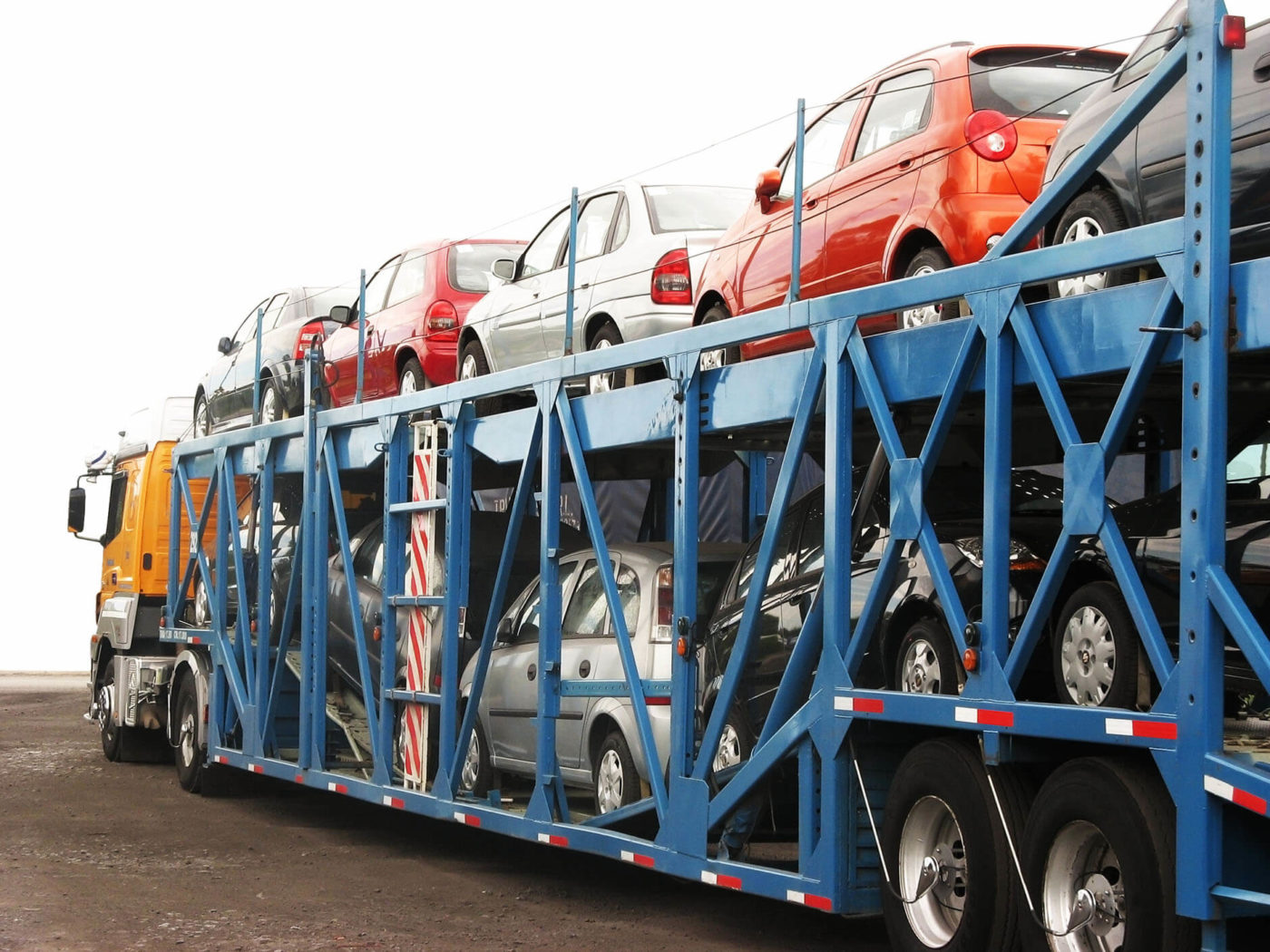
Here are the current rate ranges for the major NY-to-FL routes:
| Route | Open Transport | Enclosed Transport | Transit Time |
|---|---|---|---|
| New York City to Miami | $900 – $1,300 | $1,400 – $2,000 | 4 – 7 Days |
| New York City to Orlando | $800 – $1,200 | $1,300 – $1,850 | 3 – 6 Days |
| New York City to Tampa | $850 – $1,250 | $1,350 – $1,900 | 4 – 6 Days |
| New York City to Jacksonville | $700 – $1,050 | $1,100 – $1,600 | 3 – 5 Days |
| New York City to Fort Lauderdale | $900 – $1,300 | $1,400 – $2,000 | 4 – 7 Days |
| New York City to West Palm Beach | $850 – $1,250 | $1,350 – $1,900 | 4 – 6 Days |
| Long Island to Miami | $950 – $1,350 | $1,450 – $2,050 | 5 – 7 Days |
| Albany to Orlando | $850 – $1,200 | $1,300 – $1,850 | 4 – 6 Days |
| Buffalo to Tampa | $900 – $1,300 | $1,400 – $1,950 | 5 – 7 Days |
Rates are for standard sedans and small SUVs. Trucks, large SUVs, oversized, and luxury/exotic vehicles may be quoted higher. Final pricing confirmed after vehicle details are submitted.

Auto transport pricing isn’t one-size-fits-all. Here’s what actually moves the number on this corridor.
New York to Jacksonville is roughly 850 miles. New York to Miami is about 1,280 miles. That 400-mile difference changes the rate. Longer distance = higher total cost, but lower per-mile rate.
| Origin → Destination | Approximate Distance |
|---|---|
| NYC → Jacksonville, FL | 850 miles |
| NYC → Orlando, FL | 1,050 miles |
| NYC → Tampa, FL | 1,080 miles |
| NYC → West Palm Beach, FL | 1,150 miles |
| NYC → Fort Lauderdale, FL | 1,220 miles |
| NYC → Miami, FL | 1,280 miles |
Your vehicle’s size determines how much space it takes on the carrier — and space is what you’re paying for.
Open transport (standard multi-car carrier) handles 85%+ of all shipments on this route. Your vehicle is exposed to weather and road debris, but damage is rare. This is the right choice for daily drivers and standard vehicles.
Enclosed transport (fully covered trailer) is for high-value vehicles: luxury cars, classics, exotics, and anything you’d rather not expose to 1,000+ miles of I-95 highway conditions. It costs 40–60% more than open.
| Factor | Open Transport | Enclosed Transport |
|---|---|---|
| Cost (NYC to Miami) | $900 – $1,300 | $1,400 – $2,000 |
| Availability | High — frequent dispatch | Lower — fewer carriers |
| Weather Protection | Exposed | Fully shielded |
| Best For | Standard vehicles | Luxury, classic, exotic |
| Transit Time | 4 – 7 days | 5 – 8 days |
The simple rule: If you park it in the street in New York, ship it open. If you keep it in a climate-controlled garage, ship it enclosed.
This route has the most extreme seasonal pricing swings of any corridor in the country — driven almost entirely by snowbird season.
| Season | What’s Happening | Impact on Rates |
|---|---|---|
| September – November | Snowbirds start heading south | Rates rise 10–20%. Highest demand period for NY→FL direction. |
| December – February | Peak snowbird season (cars already in FL) | Rates stabilize. NY→FL still elevated. FL→NY is cheap. |
| March – April | Snowbirds return north | NY→FL rates drop. FL→NY spikes. |
| May – August | Off-peak for snowbirds, but summer relocations pick up | Moderate. Best rates for budget-conscious shippers. |
Best time to ship NY to FL for the lowest rate: May through August. Snowbird demand is gone, and carriers are looking to fill southbound trucks.
Most expensive: September through November, when southbound demand peaks.
New York City pickups have their own challenges. If you’re in Manhattan, Brooklyn, or Queens, a full-size carrier may not be able to access your street. Common workarounds:
Suburban Long Island, Westchester, and upstate New York pickups are generally straightforward — driveways and residential streets work fine for standard carriers.

| Destination | Transit Time (from NYC) |
|---|---|
| Jacksonville | 3 – 5 Days |
| Orlando | 3 – 6 Days |
| Tampa | 4 – 6 Days |
| West Palm Beach | 4 – 6 Days |
| Fort Lauderdale | 4 – 7 Days |
| Miami | 4 – 7 Days |
Important: Transit time ≠ total time from booking.
After you book, it takes 1–5 days for a carrier to be dispatched and pick up your vehicle (called the “dispatch window”). During peak snowbird season, this can stretch to 5–7 days.
Total door-to-door timeline from booking: 7–14 days. If you need a guaranteed pickup by a specific date, ask about expedited or priority dispatch — it costs more but locks in your timeline.

Provide your vehicle’s year, make, model, running condition, and pickup/delivery addresses. At USA Auto Transport, you’ll receive a quote based on current market rates for the route — not a lowball number designed to hook you before it gets “adjusted” later.
Open or enclosed. Standard dispatch or expedited. We walk you through the options and confirm pricing before you book.
Once booked, a carrier is assigned to your shipment. You receive the driver’s name and contact information. Dispatch typically takes 1–5 business days depending on the season and your pickup location.
The driver arrives at your pickup location and performs a detailed vehicle condition inspection — documenting every existing scratch, dent, ding, and blemish with photos and a written report. You review and sign the report. This document is your protection if anything happens during transit.
Your vehicle travels down the I-95 corridor — the primary route for all NY-to-FL auto transport. The driver may make multiple stops along the route (other pickups and deliveries), which is why transit time is measured in days, not driving hours.
At delivery, you and the driver re-inspect the vehicle side by side, comparing it against the pickup condition report. If everything matches — and it almost always does — you sign the delivery report and take your keys. If new damage is found, you note it on the report before signing, and the carrier’s insurance handles the claim process.

1. Ship during off-peak months. May through August gives you the lowest southbound rates. Avoid September through November if budget is your priority.
2. Be flexible on pickup dates. Offering a 3–5 day pickup window instead of a single date lets the carrier optimize their route — and lowers your rate.
3. Choose open transport for standard vehicles. It saves 40–60% over enclosed. Unless your vehicle is high-value or custom, open is the industry standard.
4. Book early. Rates trend upward as carrier capacity fills. Booking 2–4 weeks ahead of your preferred pickup date gets you better rates and more carrier options.
5. Prepare your vehicle properly. Remove personal items (they’re not insured), disable toll transponders (you don’t want to be charged for the carrier’s route), keep the gas tank at 1/4 full (saves weight), and note any pre-existing damage so it doesn’t become a dispute at delivery.
6. Avoid suspiciously low quotes. If a quote is $300–$400 below everyone else for a NYC-to-Miami sedan, it’s likely a broker who will raise the rate once they try to find an actual carrier — or they won’t find one at all, leaving you stranded. Market-rate pricing means reliable service.

If you’re a snowbird sending your car south for the winter (or bringing it back north for the summer), a few things to know:
For a standard sedan, open transport rates in 2026 range from $700 (NYC to Jacksonville) to $1,300 (NYC to Miami). Enclosed transport runs $1,100–$2,000 depending on destination. Larger vehicles cost more.
Transit time is 3–7 days depending on your Florida destination. Add 1–5 days for carrier dispatch after booking. Total time from booking to delivery: 7–14 days.
Yes. All carriers booked through USA Auto Transport carry cargo insurance. Coverage amounts vary by carrier — we provide insurance documentation before your vehicle is picked up so you know exactly what’s covered. Additional coverage is available for high-value vehicles.
Yes. Non-running vehicles require winch loading and additional handling time, which adds $100–$300 to the cost. Let us know the vehicle’s condition when you request a quote.
Yes. Remove or deactivate your E-ZPass (or any toll transponder) before pickup. The carrier will be traveling through multiple toll plazas on I-95, and your transponder will get charged for every one.
Most carriers allow a small amount (under 100 lbs) in the trunk only. Items must not obstruct rear visibility. Personal belongings are not covered by carrier insurance — if something is stolen or damaged, there’s no claim. We recommend shipping personal items separately with a household mover.
Contact us as soon as possible. If your vehicle is already on the carrier, the driver can sometimes adjust the delivery window by a day or two. If you need to delay significantly, short-term vehicle storage can be arranged.
Someone 18+ must be present (or a designated representative you’ve authorized in writing) to sign the condition report at both pickup and delivery. This is required for insurance purposes.
A carrier owns and operates the truck that physically transports your vehicle. A broker coordinates between you and verified carriers, handling booking, pricing, and logistics. USA Auto Transport works with vetted, insured carriers and manages the process from booking through delivery — so you have one point of contact, not multiple.