Shipping Classic & Exotic Cars: Specialty Auto Transport

Shipping a Classic, Exotic, or Luxury Car: What Specialty Carriers Do Differently

May 19, 2026Car Tips and Tricks
Roman Hale

Roman Hale is a sales manager and content writer based in Denver, Colorado. With hands-on experience in the moving and relocation industry, he combines a sharp sales instinct with a storyteller's voice — creating guides, city comparisons, and moving resources that help real people make confident decisions about their next chapter.

Handing over the keys to a vintage Porsche 911, a bespoke Rolls-Royce, or a brand-new carbon-fiber McLaren takes real trust. For collectors and enthusiasts, a high-value car is never just transportation; it is rolling art, a serious investment, and often a lifelong passion.

The standard auto transport industry runs on volume and low margins, which works fine for commuter sedans but creates unacceptable risk for a six-figure or seven-figure vehicle. At USA Auto Transport, our specialty division was built around one principle: your masterpiece deserves equipment, insurance, and handling that match its value. The sections below explain exactly what sets specialty carriers apart, why those differences matter, and how to prepare your vehicle for a flawless delivery.

Why Standard Open Carriers Put Luxury Vehicles at Risk

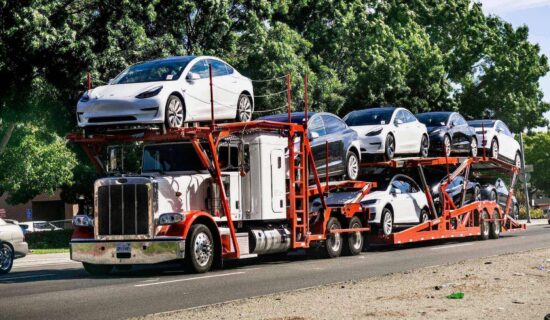
The mass-market auto transport business is engineered for one thing: moving as many vehicles as possible at the lowest possible cost. Open, multi-level trailers haul up to ten cars at once, which keeps prices down but exposes every vehicle on the deck to a long list of hazards. For a Toyota Camry, that trade-off makes sense. For a matching-numbers classic or a limited-production hypercar, it does not.

Road Debris and Weather Exposure

Highways throw a constant stream of loose gravel, shredded tire fragments, and metal debris into the air. At speed, a single small stone can chip bespoke factory paint, crack a windshield, or scar a delicate carbon-fiber splitter. Open carriers also offer zero protection from the weather. Your vehicle absorbs everything the route hands out: acid rain, road salt, sudden hail, and hours of harsh UV exposure that fades original finishes.

Fluid Leaks From Vehicles Stacked Above

On a multi-level open trailer, vehicles sit directly above one another. If an older car parked above your Ferrari starts leaking brake fluid, coolant, or engine oil, that fluid drips straight onto your paint and convertible top. These chemicals can eat through clear coat within hours and ruin soft tops permanently.

Visibility and Security Concerns

A bright red Lamborghini or classic Shelby Cobra sitting on an open trailer at a truck stop attracts a lot of attention. That visibility creates real exposure: vandalism, theft of removable parts like badges and valve caps, and crowds of strangers reaching over to touch or photograph the vehicle. Discretion matters when you own assets that rare.

The Insurance Shortfall

Most open carriers hold cargo insurance limits that are spread across every vehicle on the trailer. If a fully loaded transporter is totaled in an accident, the payout will not come close to covering the value of a single exotic. You then face years of complicated litigation trying to recover the difference.

A BETTER WAY FOR MOVING!

Get A Quote

The White-Glove Standard: How Specialty Carriers Operate

Elite auto transport is a different discipline from standard freight. Premium carriers build their entire operation around custom equipment, trained handlers, and protocols designed specifically for high-value automobiles. When you book a true white-glove service, you are reserving a private mobile vault for your car.

Hard-Sided Enclosed Trailers

Specialty carriers do not use open metal racks or soft-sided canvas trailers. Soft-sided units flap in the wind and let dust seep through the seams. Hard-sided enclosed trailers are sealed mobile fortresses that block weather, road debris, and curious eyes from origin to destination. Discretion stays intact the entire trip.

Hydraulic Lift Gates for Low-Clearance Vehicles

The loading process is where standard transport fails most often. Open trailers rely on steep metal ramps, which is a real problem for exotics. These cars feature:

  • Extremely low ground clearance
  • Aggressive front approach angles
  • Long front overhangs and active aerodynamics
  • Sensitive carbon-fiber splitters and lips

Forcing a hypercar up a steep ramp almost guarantees scraped undercarriages, cracked front fascias, and burned clutches on manual classics. The fix is a hydraulic lift gate. The car rolls onto a flat platform sitting flush with the pavement, and a computerized hydraulic system raises it smoothly to the trailer floor. There is no incline, no scraping, and no stress on the drivetrain.

Soft-Tie Nylon Wheel Straps

Standard transporters often secure cars with chains or heavy ratchets clamped onto the chassis or suspension. That practice can warp frames, throw off carefully tuned suspensions, and leave permanent marks on metal components. Premium carriers use soft-tie nylon wheel harnesses instead. These straps grip only the tires, which lets the suspension absorb road movement naturally and keeps the frame untouched.

Climate-Controlled Trailer Interiors

Classic cars with original Connolly leather, delicate wood veneers, and high-performance EVs with sensitive battery packs all suffer in extreme heat or cold. Specialty trailers run climate-control systems that hold stable temperature and humidity inside the cargo area from coast to coast. Leather stays supple, veneers stay flat, and battery chemistry stays balanced.

Insurance, Diminished Value, and Real Asset Protection

Specialty transport costs more than standard open shipping. The reason is straightforward: better equipment, smaller vehicle-per-trailer counts, and far higher insurance coverage. For an asset worth half a million dollars or more, that premium is small compared to what is at stake.

Understanding Diminished Value

For a daily driver, a scratched bumper is a minor body shop job. For a pristine matching-numbers classic or a limited-production hypercar, original factory paint is part of the valuation itself. If a careless carrier scratches your Porsche and pays to repaint the fender, the car is no longer original. Its provenance now carries a damage history, and that history follows it forever at auction. Even a flawless repair drops the resale price significantly. That gap between pre-damage value and post-repair value is called Diminished Value. Premium carriers neutralize that risk by making sure the scratch never happens in the first place.

High-Limit Agreed Value Insurance

Specialty carriers hold multi-million-dollar valuation policies that cover rare and custom vehicles with zero deductibles. The standard for these contracts is Agreed Value coverage. You and the insurance provider lock in the exact monetary value of the vehicle before transit. If a total loss occurs, you receive that agreed amount without arguing over depreciation or Kelley Blue Book averages. This protection is essential for vehicles whose values shift quickly at auction.

About

Read More

FAQ

Read More

Contact Us

Read More

2026 Enclosed Auto Transport Cost Estimates

Pricing depends on distance, vehicle dimensions, route demand, and service tier. As a general guide for high-end enclosed transport in 2026:

  • Short haul (under 500 miles): typically $800 to $1,800
  • Medium haul (500 to 1,500 miles): typically $1,500 to $3,200
  • Coast-to-coast (1,500+ miles): typically $2,500 to $5,000 or more

When you are moving a vehicle worth several hundred thousand dollars, a few thousand dollars for an enclosed, fully insured, lift-gate-equipped carrier is a small investment for genuine peace of mind. Reach out to the USA Auto Transport team for a precise quote based on your exact route and vehicle.

Moving an Entire Collection: Logistics for Multiple Vehicles

Serious collectors rarely move just one car. Relocating an entire garage of exotics adds complexity that goes well beyond simply booking more space.

Dedicated Exclusive-Use Trailers

Rather than booking partial space on several different trucks running on different schedules, collectors can reserve a dedicated six-car enclosed trailer. The truck arrives at your estate, loads your full collection, and drives straight to the destination without stopping to handle anyone else’s vehicles. The result is less handling, faster transit, and complete confidentiality.

Climate-Controlled Vault Storage

Sometimes a collection has to move before the destination garage is finished. In those cases, premium logistics teams provide access to secure climate-controlled vault storage. For longer stays, proper prep keeps every vehicle in showroom condition:

  • Specialty tire cradles to prevent flat-spotting
  • Computerized trickle chargers to maintain battery health
  • Breathable, dust-proof indoor car covers
  • Controlled humidity and stable temperature year-round

Pre-Transit Preparation: Getting Your Vehicle Ready

1. Document the Condition in 4K Video

Wash the car the day before pickup. Alongside the driver’s formal Bill of Lading inspection, record a continuous 4K video walkaround on your phone. Use a flashlight to highlight paint, wheels, and interior surfaces. This gives you an undeniable digital record of the vehicle’s condition right before loading.

2. Set the Suspension to Transport Mode

Modern exotics and luxury SUVs use active air suspension. Before loading, raise the vehicle to its highest ride height or switch to its dedicated Jack/Transport Mode if the manufacturer offers one. This gives the driver maximum clearance when navigating the lift gate.

3. Manage Fuel and EV Battery Levels

For gasoline vehicles, leave the tank at roughly 1/4 full. That reduces weight inside the trailer, lowers fire risk, and still leaves enough fuel to drive the car off the truck and into your new garage. For electric hypercars such as the Rimac Nevera or Porsche Taycan, check the manufacturer guidelines. Most recommend keeping the high-voltage battery between 40 percent and 50 percent for stable chemistry during multi-day transit.

4. Deactivate Toll Tags and Aftermarket Alarms

Remove your highway toll transponders or wrap them in aluminum foil so they do not trigger sensors as the transport truck passes through toll plazas. Sophisticated aftermarket alarms can also be set off by the motion of the trailer. Switch them to transport mode or disable them entirely so the battery is not drained during the trip.

Coordinating a Full Estate Relocation

A luxury car rarely moves alone. If your garage holds exotics, your home almost certainly holds equally valuable and fragile assets: fine art, antiques, designer furniture, a wine collection, perhaps a grand piano. Trying to coordinate separate companies for vehicles and household goods often leads to crossed timelines, miscommunication, and unnecessary stress.

A unified approach removes that friction completely. Premium relocation teams handle entire estates with the same care applied to vehicles, including:

  • Custom crating for fine art and sculpture
  • Climate-controlled wine transport
  • Specialized handling for grand pianos
  • Padded wrap and bespoke crates for antique furniture
  • Coordinated arrival timing that matches your travel schedule

Working with a single trusted provider for both the household and the automotive collection means one point of contact, one timeline, and one team accountable for the entire move. You land at your new estate, walk through the door, and find the art hung, the furniture placed, and your hypercar resting in the garage.

A BETTER WAY FOR MOVING!

Get A Quote

Why Choose USA Auto Transport for Your Specialty Move

Your luxury vehicle is a piece of kinetic engineering, an investment, and a reflection of your own success. Cutting corners on its transport to save a small fraction of its value is not a smart trade. The difference between an anxious shipping experience and a quiet, flawless delivery comes down to the expertise and equipment of the carrier you choose.

USA Auto Transport specializes in enclosed, hard-sided trailers, hydraulic lift gates, soft-tie strap protocols, and Agreed Value insurance for clients moving classic, exotic, and luxury vehicles across the country. Get in touch for a bespoke quote and let our specialty team coordinate a transport experience that matches the value of what you own.

FAQ

1. Can I ship spare parts or personal items inside my classic car?

Standard carriers usually say no because of Department of Transportation weight rules and liability concerns. Specialty white-glove carriers often make exceptions for items tied to the vehicle’s provenance, such as original matching-numbers engine parts, custom car covers, vintage tool rolls, and concours display boards. Everything must be packed securely in the trunk and listed on the Bill of Lading before departure.

2. What does Agreed Value insurance actually cover during transport?

Unlike Actual Cash Value policies that factor in depreciation, an Agreed Value policy locks in a specific monetary value for the vehicle before the trip begins. If a total loss occurs, you receive that exact amount. There is no haggling over depreciation or generic market averages, which is critical for rare classics and custom builds whose true value cannot be captured by standard valuation tools.

3. Why is a hydraulic lift gate so important?

Standard trailers load vehicles up steep metal ramps. For a low-clearance exotic, that incline often results in scraped front splitters, damaged undercarriages, and cracked fascias. A hydraulic lift gate is a platform that rests flat on the pavement, lets the car roll on with no incline, and then lifts the vehicle horizontally to the trailer floor. For any car with low ground clearance, it is non-negotiable.

4. How long does enclosed transport take?

Transit times depend on distance and service tier. A short haul under 500 miles usually takes 2 to 4 days. A multi-car coast-to-coast enclosed route typically runs 7 to 11 days. A premium dedicated single-car transport operates on your schedule and often delivers significantly faster with non-stop driving straight to your estate.

5. How do specialty carriers handle ultra-wide hypercars or lifted trucks?

Standard enclosed trailers can have interior width limits that do not accommodate widebody kits or lifted suspensions. Premium carriers operate custom trailers with extra-wide rear doors, specialty interior ramps, and taller ceilings. When booking, share the exact make, model, and any aftermarket modifications so the dispatch team can assign a trailer designed for your vehicle’s footprint.

6. Can I track my vehicle during transit?

Yes. Specialty auto transport companies provide GPS telemetry and milestone tracking through secure digital portals. You will see when the vehicle is loaded, where it is on the route in real time, and exactly when it is arriving at your destination. The visibility is a major upgrade over the occasional phone call typical of standard freight.

Get a Quote
check mark
Download as PDF

Moving Checklist

Get a Free Estimate 323-524-0031