Moving from the Bay Area to Austin in 2026: What It Takes

Trading Silicon Valley for Silicon Hills: The Logistics of the Tech Exodus

June 3, 2026US Cities
Roman Hale

Roman Hale is a sales manager and content writer based in Denver, Colorado. With hands-on experience in the moving and relocation industry, he combines a sharp sales instinct with a storyteller's voice — creating guides, city comparisons, and moving resources that help real people make confident decisions about their next chapter.

The center of gravity in the American tech industry has been shifting for years, and Austin is where it is landing. A growing number of engineers, founders, and senior tech professionals are leaving the Bay Area for Texas, drawn by lower costs, no state income tax, and a thriving local ecosystem.

The distance between San Francisco and Austin is roughly 1,700 miles, and that is a long haul under any conditions. Car shipping from San Francisco to Austin is, for most people, the smartest logistical decision of the entire move. This guide covers what the process looks like, what it costs, and how to choose the right service for your vehicle.

Austin during the day
Ship your car safely to beautiful Austin, TX.

From MUNI to MoPac: Adjusting to Life on Texas Roads

San Francisco is genuinely one of the most walkable cities in the United States. Between BART, MUNI, and the density of the neighborhoods, a significant number of Bay Area residents go weeks without touching their steering wheels. Owning a car in SF often means navigating steep hills, fighting for parking in tight spaces, and paying for a garage spot that costs more per month than some people spend on rent in other parts of the country.

Austin is a completely different story. The city has grown rapidly and spread outward, and most of its best neighborhoods sit well outside what can be reached on foot. Tech hubs like North Austin, Round Rock, Cedar Park, and Lakeway all require reliable personal transportation. The major commuting arteries, including Loop 1 (known locally as MoPac), Interstate 35, and toll routes like State Highway 130, connect a metro area that simply cannot be navigated without a vehicle.

The shift matters for your relocation logistics. Selling your car in California to avoid shipping costs, then scrambling to buy something upon arrival, is a common mistake. You will be juggling a new job, a new home, and a new city all at once. Having your own vehicle waiting for you from day one removes one major variable from an already busy transition.

Why your car becomes essential in Austin:

  • Most of the city’s desirable residential areas, including master-planned communities in the suburbs, require daily driving
  • Major tech campuses, including Apple’s North Austin facility, Tesla’s Gigafactory, and Oracle’s waterfront headquarters, are miles apart and not accessible by transit
  • Weekend life, from Lake Travis to the Domain, is built around getting in the car

A BETTER WAY FOR MOVING!

Get A Quote

Why Driving Your EV Across the Desert Is Not the Plan It Sounds Like

The Bay Area tech community has embraced electric vehicles faster than almost any other demographic in the country. Teslas, Rivians, and Lucid Airs are common sights in SF parking garages and on Silicon Valley highways. When relocation comes up, the idea of an epic cross-country road trip feels appealing, at least in theory.

In practice, driving an electric vehicle from San Francisco to Austin in 2026 means navigating some of the most sparsely populated stretches of the American Southwest. Sections of Interstate 10 and Interstate 40 pass through regions where high-powered charging infrastructure is still limited. A miscalculation about range or a malfunctioning charger in a remote area can turn an inconvenience into a genuine problem.

Heat is the other factor that EV owners often underestimate. Driving across New Mexico and West Texas in summer means sustained exposure to temperatures that force the car’s thermal management systems to work continuously. That directly reduces your available range and increases the stress on the battery over time. These are not catastrophic risks, but they are real ones that experienced EV owners plan carefully around.

Range anxiety on a desert drive is not just about running out of charge. It is about the mental overhead of constantly monitoring battery levels, timing stops around charger availability, and adjusting speed to preserve range. That is a stressful way to start a major life change. Shipping your vehicle eliminates those variables entirely.

Pro Tip for EV Owners: Desert heat also accelerates tire wear on heavy electric vehicles traveling at sustained highway speeds. Professional transport protects your battery, your tires, and your peace of mind all at once.

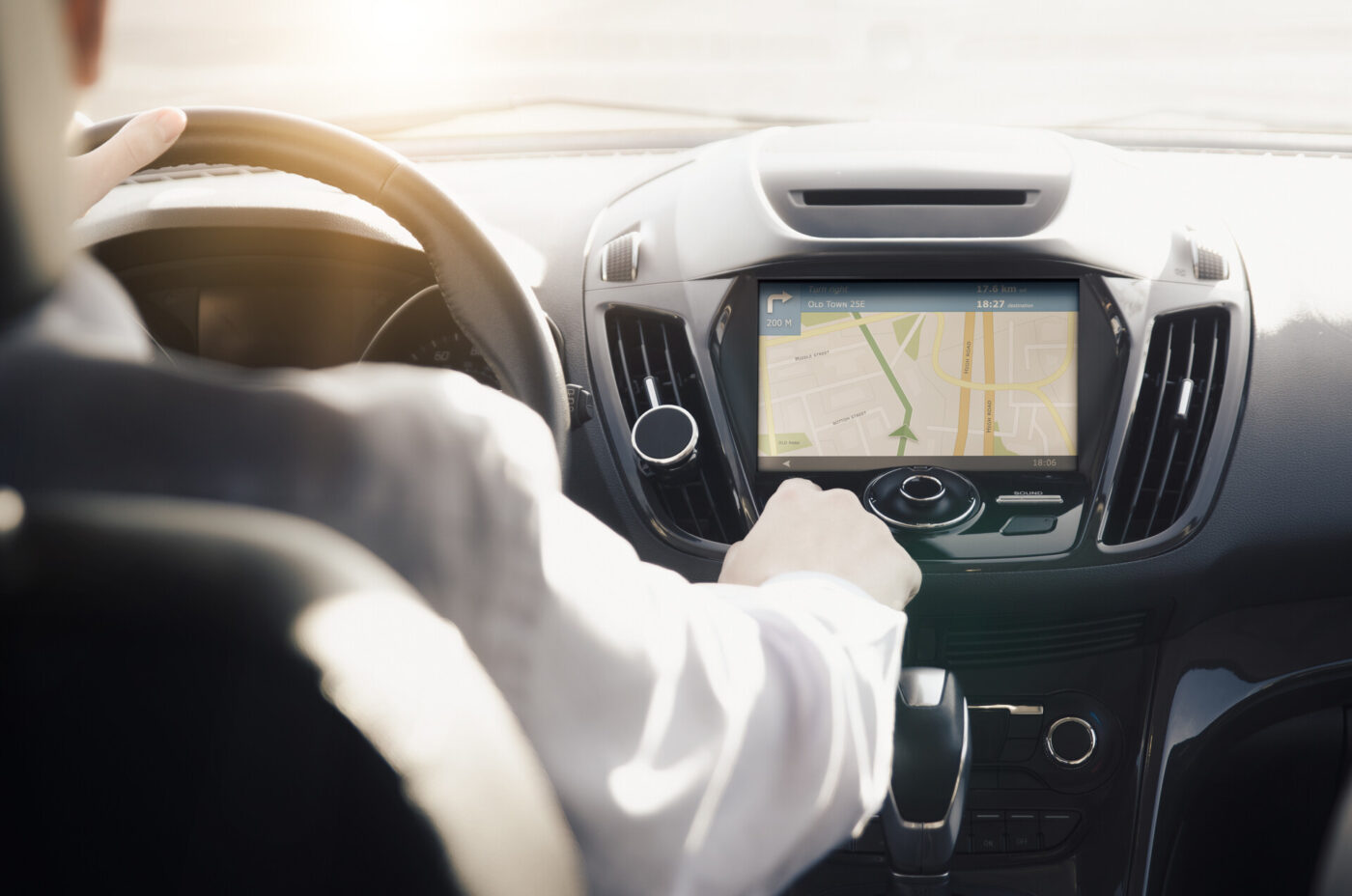
A person driving with the navigation system
Driver holding the steering wheel and enjoying a safe road trip.

Open vs. Enclosed Transport: Choosing the Right Protection for Your Vehicle

Once you decide to ship your car, the next decision is how. The auto transport industry offers two main options, and the right choice depends on what you are moving.

Open Carrier Shipping: Efficient and Cost-Effective

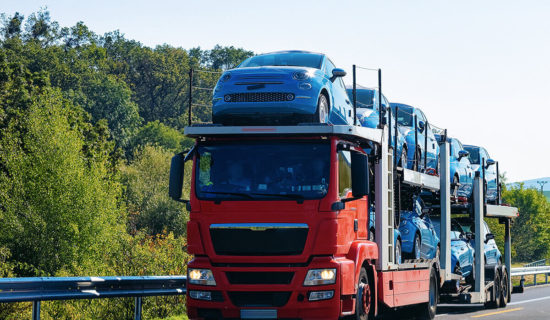
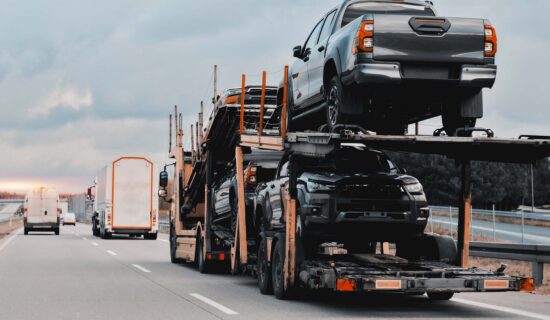
Open carrier transport is the most widely used method in the industry. Your vehicle is loaded onto a double-decker trailer alongside other cars and driven to its destination. It is a safe, proven option for standard sedans, commuter vehicles, and most SUVs. If you want the most straightforward and budget-friendly way to get your car to Austin, open carrier shipping is a reliable choice.

The tradeoff is exposure. Over a 1,700-mile route through the desert Southwest, your vehicle will face wind, sun, dust, and occasional road debris. For most cars, this is a non-issue. For high-value or condition-sensitive vehicles, it is worth weighing carefully.

Enclosed Auto Transport: Full Protection for High-Value Vehicles

If you own a luxury sedan, a custom electric vehicle, or any car where cosmetic or mechanical damage would be particularly costly, enclosed auto transport is the right call. Your vehicle travels inside a fully walled trailer, completely shielded from the elements throughout the entire journey.

Enclosed transport eliminates the risk of rock chips, paint damage, and windshield cracks from highway debris. It also protects your car’s electronics and sensors from the heat and dust that are common between New Mexico and Central Texas. For a vehicle worth $80,000 or more, the price difference between open and enclosed shipping is modest relative to the protection you get. At USA Auto Transport, our enclosed transport service is designed specifically for owners who cannot afford to arrive with anything less than a perfect vehicle.

usa auto transport truck
Professional fleet of white carrier trucks ready for shipping services.

Door-to-Door Service: Why Convenience Is Worth It for Busy Professionals

Senior tech professionals relocating to Austin are not working with a lot of spare time. Wrapping up responsibilities at a Bay Area company, onboarding with a new team, coordinating with real estate agents, and settling a family into a new home all happen in a compressed window. Spending four days driving across the country is simply not an efficient use of that time.

door-to-door car transport service handles the entire process without requiring you to go out of your way. The carrier arrives at your San Francisco address, loads your vehicle, and delivers it directly to your new home in Austin. You fly, the car ships, and both of you arrive in Texas without unnecessary detours.

That convenience is not just about comfort. It is about arriving in your new city focused and ready, rather than road-worn and behind on everything else. USA Auto Transport coordinates the logistics from pickup to delivery so you do not have to manage a single moving part of the transport process.

FAQ

Read More

Enclosed Auto Transport

Read More

About

Read More

Cost and Timeline: What to Realistically Expect

How Much Does Car Shipping From San Francisco to Austin Cost?

Pricing on this route depends on your vehicle’s size, the transport type you choose, and seasonal demand. As a general guideline, open carrier transport for a standard sedan typically runs between $1,100 and $1,500. Enclosed transport for a luxury or electric vehicle usually falls between $1,700 and $2,400.

One important note: the lowest quote is not always the best deal. Very low prices often come with reduced insurance coverage, slower timelines, or hidden fees that appear at delivery. Choosing a reputable carrier with transparent, flat-rate pricing protects you from those surprises. At USA Auto Transport, what you see in your quote is what you pay.

Calculator with writing cost on display
Easily calculate your auto transport costs today.

How Long Does the Shipment Take?

Transit time from San Francisco to Austin typically runs between 4 and 7 days from the point of pickup. Carriers operate under federal Department of Transportation regulations that govern daily driving hours, which keeps the process safe and consistent even if it means the delivery window is not always down to a single day.

Planning your timeline well in advance makes a meaningful difference. Here is a practical checklist for managing your booking:

  • Book 2 to 3 weeks before your move date. This locks in your preferred pickup window and gives the logistics team time to pair your vehicle with the right carrier route
  • Prepare the vehicle. Clean it inside and out, photograph the exterior and interior thoroughly for your records, and leave the fuel tank at about a quarter full. For EVs, charge to 40 to 50 percent battery
  • Remove your toll transponder. Deactivate or remove your California FasTrak tag before the vehicle is loaded to avoid accidental toll charges during transit
  • Confirm your delivery address. If your Austin street has access restrictions or narrow lanes, coordinate with your transport specialist in advance so they can arrange a nearby drop point if needed

A BETTER WAY FOR MOVING!

Get A Quote

Ship Smart, Arrive Ready

Austin is ready for you. The tech ecosystem there is growing fast, the cost of living gives you room to breathe, and the lifestyle offers something the Bay Area simply cannot: space. Getting your vehicle there safely and efficiently is one less thing to manage during what is already a significant transition.

USA Auto Transport specializes in exactly this kind of relocation. Whether you need open carrier service for a practical commuter car or enclosed white-glove transport for a high-end electric vehicle, we handle the logistics so you can focus on building your new chapter in Texas. Reach out today for a transparent, flat-rate quote and let us take one major item off your moving checklist.

FAQ

Is it cheaper to ship my car or drive it from San Francisco to Austin?

Driving looks cheaper on the surface, but the real costs add up quickly. Fuel alone for a 1,700-mile trip can run $150 to $300 depending on your vehicle, and that is before you factor in two to three nights of hotels, meals on the road, and the wear and tear on your engine, tires, and brakes. For electric vehicle owners, routing around charging stations adds both time and unpredictability to the budget. When you account for all of that, professional car shipping often comes out comparable in price and significantly ahead in convenience.

Can I ship my Tesla or Rivian on an open carrier, or do I need enclosed transport?

You can ship a Tesla or Rivian on an open carrier, and many owners do. However, if your vehicle is a higher trim, recently detailed, or has any custom modifications, enclosed transport is worth the upgrade. Open carriers expose your vehicle to road debris, dust, and UV rays over a long desert route. For an EV with sensitive camera arrays and exterior sensors, enclosed shipping removes any risk of surface damage that could interfere with those systems after delivery.

What happens to my car's autopilot or driver-assist sensors during loading and unloading?

Experienced carriers are trained to handle modern vehicles with care, including those equipped with advanced driver-assist systems. During loading and unloading, the vehicle is moved slowly and manually at low speed, well below any threshold that would activate or stress those systems. That said, it is always a good idea to confirm with your transport specialist that the carrier has experience with your specific make and model, particularly for vehicles like the Tesla Model S or Rivian R1T where sensor placement is unusually wide.

Will extreme heat in Arizona and New Mexico damage my car during open carrier transport?

For conventional vehicles, sustained heat exposure during transit is generally not a concern. Paint, glass, and standard mechanical components are built to handle high ambient temperatures. For electric vehicles, the picture is slightly different. Prolonged heat can put passive stress on the battery management system, which is why reputable carriers keep EV batteries charged to between 40 and 50 percent during transport, the range at which thermal management operates most efficiently. If you are concerned, opting for enclosed transport keeps your vehicle in a shaded, temperature-moderated environment for the entire journey.

Do I need to notify my insurance company before shipping my vehicle?

It is not legally required, but it is a smart step. Your auto insurance policy may or may not provide coverage during transport, and the specifics vary by provider. Licensed carriers are required to carry cargo insurance that covers your vehicle while it is in their possession, so you will not be left unprotected. That said, reviewing your own policy beforehand and requesting a copy of the carrier’s insurance certificate gives you a clear picture of exactly what is covered from pickup to delivery.

Get a Quote
check mark
Download as PDF

Moving Checklist

Get a Free Estimate 323-524-0031