The Dealership Trap: Interest Rates and Vehicle Depreciation
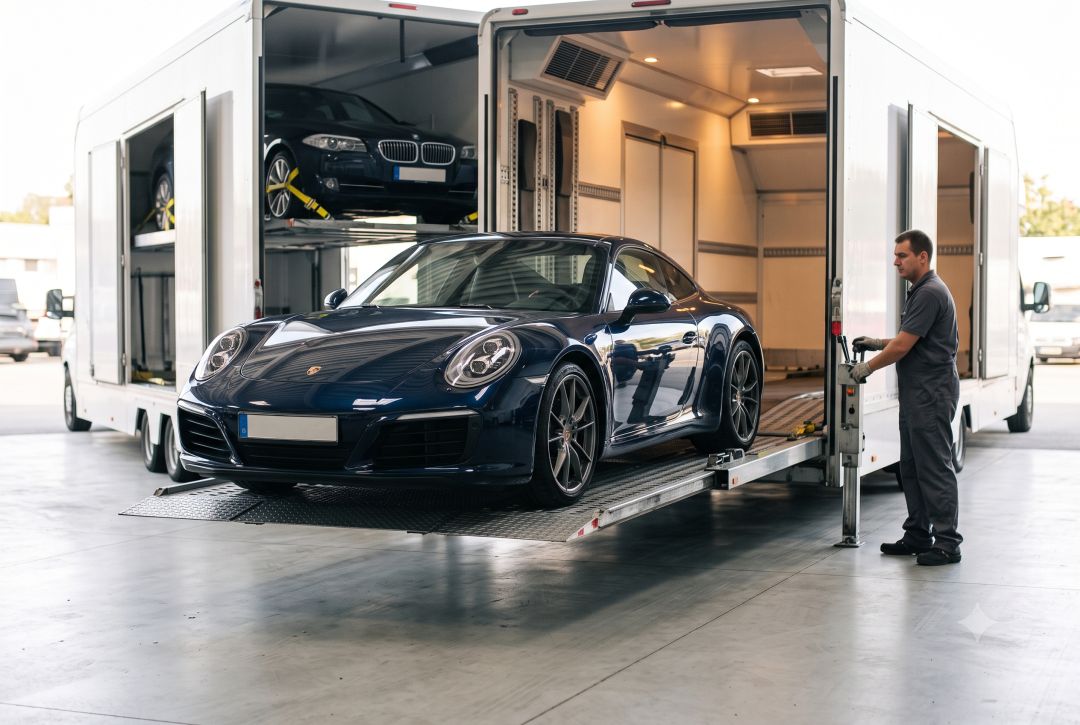
The most common belief before a big relocation is that selling your current car will save you money on transport. The modern car market works against that idea. In most situations, selling before the move and buying again after you land costs far more than simply shipping the car you already own. The savings you picture rarely show up once the paperwork is signed.
The Trade-In Illusion
When your moving date is close, you rarely have the luxury of waiting weeks for the right private buyer. Most people end up at a dealership for a fast trade-in or a quick cash offer. Dealers can tell when you are in a hurry, and they price accordingly. The number they hand you usually sits well below what your car is actually worth on the open market.
Depreciation only makes this worse. A car you bought a few years ago has already lost value on paper. Accepting a low trade-in just to skip a shipping fee turns a small, one-time expense into a large permanent loss. You give up real equity to avoid a bill that is often a fraction of the size. That is the opposite of a smart trade.
The 2026 Interest Rate Reality
Buying a replacement vehicle in 2026 means walking straight into high borrowing costs and stubborn dealer pricing. A few realities are worth spelling out before you sign anything:
- High auto-loan rates: Even buyers with strong credit are paying meaningful interest across a 48 to 72 month loan. That interest stacks up fast in the very first year.
- Dealer markups: Popular models still carry so-called market adjustment fees, which push the final price well above the sticker.
- Fresh debt: A new loan resets the clock and locks you into years of payments for a car you did not actually need to replace.
None of this touches you when you keep the vehicle you already own. Your car is paid off, familiar, and free of new interest. That alone puts you ahead before the moving truck even pulls away.