


How to Tell if a Water Pump Is Bad | USA Auto Transport

How to Tell if a Water Pump Is Bad – Learn to Read the Signs

November 5, 2020Car Care and Revamp
Eva Johnson

Digital nomad born in New York but currently living online, Eva knows everything there is to know about packing and moving.

The last thing you want to happen to you is discovering that your water pump has gone bad and that you have to pay for repairs or replacement. Or even worse – suffering the consequences of a bad water pump on the road, behind the wheel. It’s wise to know how to tell if the water pump is bad and to check it and fix it before the move, if necessary. We’ll introduce you to the symptoms and signs of a failing pump.

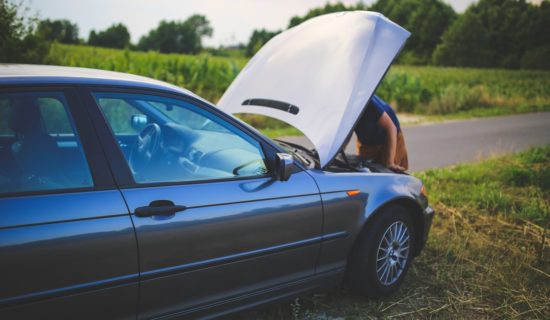
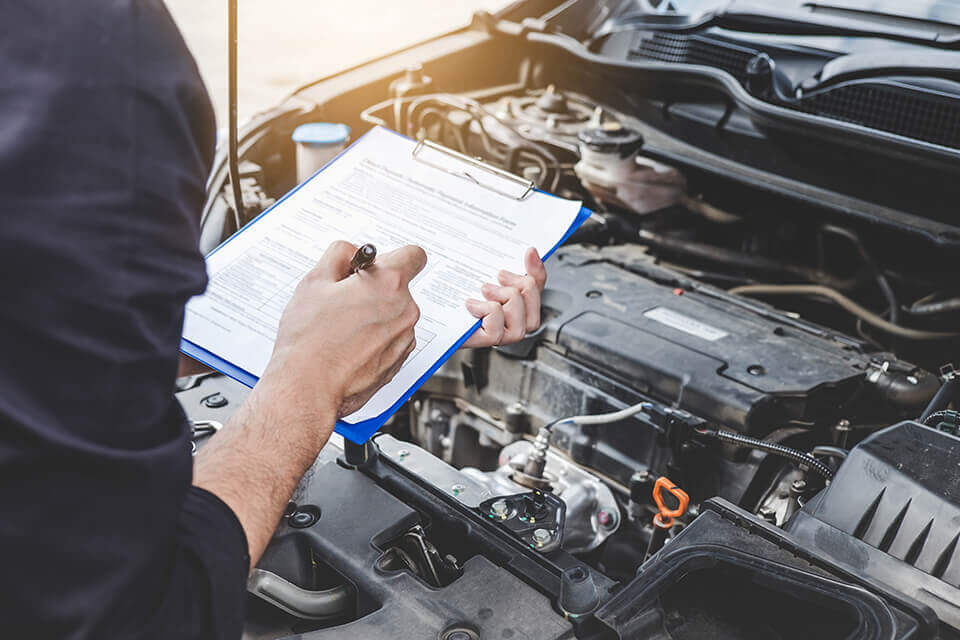
man fixing car

First Things First – What Does a Water Pump Do?

The water pump is a crucial component of your car’s cooling system. It takes the water from the radiator, moves it through the coolant system, and back around to the radiator. Because the water from the radiator heats up while it runs through the motor, your car needs the water pump to cool down the water and maintain it at an optimal temperature, no matter the weather. Simply put, this is the main task of a water pump.

Give USA Auto Transport an Ask for a Free Quote

GET A QUOTE

What Can Happen if the Water Pump Goes Bad?

If you keep driving one of the popular import cars (or any car for that matter) with a bad water pump, your engine could overheat, resulting in complete damage. Then you would have to either buy a new engine or pay for expensive repairs. That’s why it’s important to know how to test if your water pump is bad before you move a car to another state.

Even worse, imagine driving your car yourself and ending up being stuck on the road on some of the famous routes in the US. You’d probably deal with driving anxiety and maybe even road rage from fellow drivers, only to end up receiving a huge bill for repairs and/or towing. This is surely something you don’t want to experience on top of all the relocation stress you’ll likely be dealing with before moving to a new state.

How Long Does the Water Pump Last?

Water pumps last for a long time, but they do have a lifespan. Of course, it depends on the maker and the type of vehicle, so it’s best to check your manual. On average, it can last for somewhere between 60,000 and 90,000 miles. Because it’s driven by the timing belt, it’s usually best to replace it at the same time you replace the belt. Sometimes, water pumps can go bad before the timing belt, so it’s good to know how to tell if a water pump is working or not and to pay close attention to the signs that something might be wrong.

person buying a car
To know whether your water pump is bad, you have to pay attention to the signs

How to Tell if Your Water Pump Is Bad?

While you are researching open vs. enclosed car transport to see which way works better for you, it would be good to learn how to tell if a water pump is pumping. Remember, you want to avoid adding repair or replacement costs on top of your car bill of lading!

Ensuring that your vehicle works properly before shipping a car cross-country is equally important whether you choose open carrier auto transport or the more secure option of enclosed auto transport. Your car will give you signs that there’s something wrong with it, all you need to do is learn to read them. Now, let’s take a look at the common signs you should pay attention to.

A man next to a vehicle
Learn to read the signals and signs your car gives you

Coolant Leakage at the Front of Your Vehicle Is the Telltale Sign

The water pump consists of multiple components. Seals and gaskets are parts that make sure that the water from the radiator is consistently flowing to the engine. When these parts wear off, the water will start leaking from your engine to the ground. This is the first telltale sign of a faulty water pump, so watch out for any orange or green puddle beneath the front of your car. If you notice the leakage and address the problem timely, you will be able to simply repair the water pump rather than completely replace it. Here’s a video showing what the leak looks like.

YouTube video

What Does a Failing Water Pump Sound Like?

Loud sounds coming from the engine are an alarm bell for car trouble. If you hear a high-pitched, whining sound that increases as you accelerate – it could indicate a faulty water pump. These sounds are caused by a loose belt. The belt becomes loose when the pulley is loose or the bearings are wearing out. There are many bearings in your engine that can fail and cause noise, so take the vehicle to the mechanic at the first instance of any loud sound to confirm the problem. It’s best to have it fixed as soon as possible to avoid further damage and expenses.

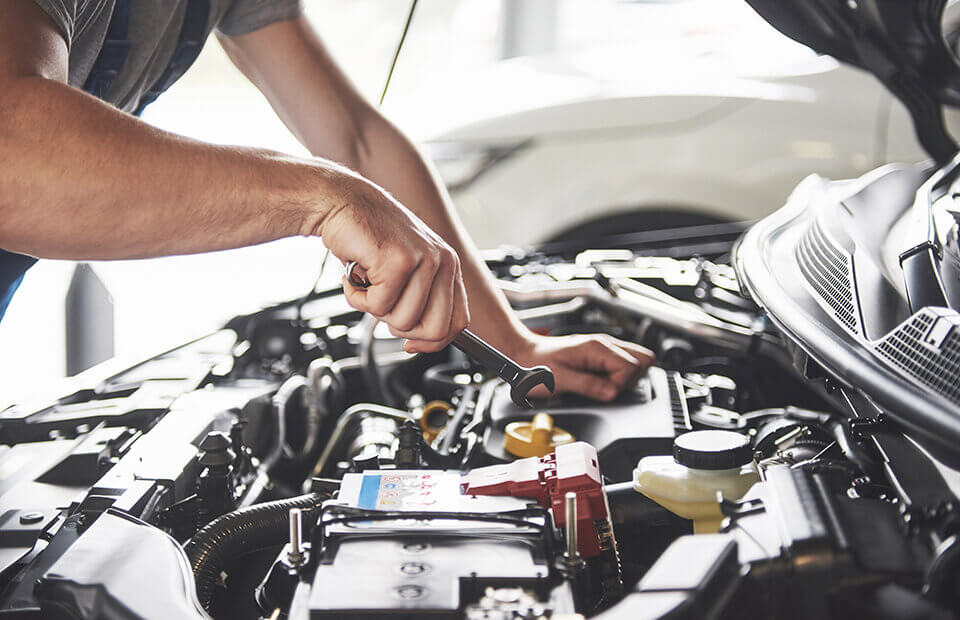
Inspecting the vehicle carefully
Take your car to the mechanic in the first instance of a loud sound coming from the engine

Engine Overheating Is the Red Flag

Another red flag and a thing that is sure to cause driving stress and car trouble is engine overheating. If you have failed to notice all the other signs and notice that your engine is overheating frequently, contact a mechanic as soon as possible. This happens when damage is already done, and the water pump has likely failed. When the pump fails, it’s unable to do its job – circulate coolant through the coolant system. The ‘Low Coolant’ light will turn on to notify you of the failure. You should add coolant and call the mechanic to fix the issue.

Steam From Your Radiator Is Always a Bad Sign

Even worse than engine overheating is seeing steam or smoke coming from under your hood. This is always a sign of trouble and likely severe damage to the engine. When this happens, you should pull over immediately, as it is not safe to drive a car that has steam coming out from the hood. Contact the tow truck to take the vehicle to the nearest mechanic – while this is expensive, it is the best solution.

You could get hurt or the engine can get totally damaged if you continue driving, which will only end up costing you more money. Calling a tow truck is a cheaper and safer solution.

Don’t poke around before the engine completely cools off – wait for however long it takes, if you want to inspect the car by yourself. It’s extremely dangerous to poke around the engine while the coolant is scalding hot. You could get hurt badly.

Can a Bad Water Pump Cause a Blown Head Gasket?

While the water pump is buried deep inside the engine and we don’t tend to think about it – it’s still an integral part of the engine and the vehicle itself. If the failing water pump is not repaired or replaced timely, the damage to your car will only get more severe with time. So, you can expect burned pistons, cracked cylinder head, and even a blown head gasket, resulting in thousands of dollars of repairs, even more for some of the most expensive cars in the world.

Therefore, it’s always better to learn to read the signs your car gives you, pay attention to them, and pay a couple of hundred dollars to get the water pump repaired or replaced than to have to deal with catastrophic consequences.

car on the street
Don’t poke around before the engine completely cools off

What Does a Failing Water Pump Look Like?

One piece of useful car shipping advice is to inspect your vehicle before you ship a car. There are also some tips on how to pack a car for moving, so check these out as well if you are about to embark on this journey. And here’s what to look for, in terms of appearance, in case you decide to poke around and inspect your water pump by yourself.

Gelled Coolant Deposit Around the Outside of Your Cooling System

As we already mentioned – a faulty water pump can cause coolant to leak. Slow leaking will cause a bunch of gunk or gelled deposit to build around the pump and the outside of your cooling system. If you haven’t noticed a puddle beneath the front of your car and you notice this upon inspection – suspect a faulty pump and have it examined. At this stage, you might not have to replace it and the repairs will be cheaper, so it’s always good to be attentive.

Rust and Corrosion on the Surface

If you mix different coolants or use tainted or inadequate ones, it could lead to rust and corrosion on the surface of your pump. You probably already know what happens if you put the wrong gas in your car, but the wrong coolant can also do a lot of damage. A defective pressure cap can also cause air bubbles and thus speed up the rusting process. Corrosion or rust will slow down or completely prevent the pump from circulating the coolant through the cooling system.

You would have to replace the pump, flush the cooling system, and make sure to use the right coolant for your car. You might want to check the pressure cap, as well, to make sure it’s working properly. If it’s defective, it will need replacing, too. Here’s a video showing what engine coolant system rust looks like.

YouTube video

Watch Out for Cavitation

Vapor pressure and the pressure generated by the pump can cause bubble-like cavitation on it. These are not bubbles but voids filled with hot vapor that can damage the metal of your pump. They can also be caused by inadequate coolant, so it’s vital to use the right one recommended for your type and make of the vehicle. The cavitation can also implode and attack the housing, front cover, and cylinder head, so it should be dealt with as soon as possible.

Broken or Damaged Bearing or Shafts

If you notice that the shaft is bent or broken or feel some side-to-side play when you apply hand pressure, the shaft or bearing could be damaged or broken. If you see a clean break on the shaft, then the damage was instant, most likely caused by a sudden overload. If there is discoloring present (usually blue), the damage was gradual, most likely due to excessive engine acceleration. Other things can also damage the shaft or bearing – defective fan, bent pulleys, overtightened fan belt, or the fan not being mounted square to the centerline of the shart. When you replace the pump, make sure to check the belt, belt tension and alignment, the fan, and the pulleys as well.

Ship Your Car With a Reputable Auto Transport Company

While you are looking into how to register a car in a new state and getting ready for your relocation, make sure you choose a professional car shipping company that has years of experience in the field and can safely transport cars from state to state. While most cars are not Maseratis and don’t require exotic auto-transport, they are still among our most valued possessions and should be left in the hands of experienced professionals.

USA Auto Transport is the perfect choice for car shipping across the United States – our team of movers has years of experience and we’ve established ourselves as a reliable, trustworthy company in the moving industry. Apart from auto transport, we can also assist with relocating your household belongings – our movers are available for standard moving service as well. Be sure to contact us to request a free quote for our services – we’re looking forward to helping you relocate.

FAQ

Why Is It Important to Check for a Bad Water Pump Before Moving to Another State?

Checking for a bad water pump before moving to another state can save you from major breakdowns and costly repairs. The water pump is responsible for circulating coolant through your engine, preventing overheating. If it fails during a long-distance drive, your engine could suffer permanent damage. Moving already comes with enough stress, and dealing with car trouble on the road only adds to it. Having your car inspected before relocation ensures peace of mind and safety. A quick pre-move maintenance check helps avoid emergencies during your move.


What Are the Most Common Signs of a Bad Water Pump?

The most common signs of a bad water pump include coolant leaks, engine overheating, and whining noises from the front of the engine. You may also notice rust or corrosion around the pump or see steam coming from under the hood. If your car’s temperature gauge frequently runs hot, that’s another warning. These symptoms shouldn’t be ignored, especially before a long-distance move. Fixing the issue early can prevent total engine failure. Identifying the signs of a bad water pump early helps you stay safe during relocation travel.

Can I Still Drive My Car With a Bad Water Pump Before Moving?

It’s risky to drive your car with a bad water pump, especially if you’re planning a long-distance move. A failing pump can cause your engine to overheat, potentially destroying vital components. While short drives to a repair shop may be safe, cross-state travel is not recommended. If your car breaks down mid-move, you could face expensive towing fees and delays. Consider replacing the water pump before you move. Preventive maintenance is always cheaper and safer than emergency repairs.

How Can I Test My Water Pump Before Relocating?

To test your water pump before relocating, look for visible coolant leaks near the timing belt or under the radiator. Listen for whining or grinding noises when the engine is running, which can signal worn bearings. Check if the coolant is circulating properly by feeling the upper radiator hose after warming the engine. A mechanic can perform a pressure test for confirmation. It’s best to have your car inspected professionally before a long road trip. A simple test can save you from breakdowns during your move.

What Happens if a Water Pump Fails During a Move?

If your water pump fails while moving, your engine can overheat quickly, leading to severe damage. You might experience sudden loss of power, steam from the hood, or a complete engine shutdown. This could leave you stranded on highways or remote routes between states. The cost of emergency towing and repairs can easily exceed planned moving expenses. Such breakdowns delay your relocation schedule and add unnecessary stress. Replacing or repairing the pump before the move is the best preventive step.

How Much Does It Cost to Replace a Bad Water Pump Before Moving?

Replacing a bad water pump can vary in cost depending on your vehicle type, age, and the complexity of the repair. While it may feel like an extra expense before moving, it’s far more affordable than facing severe engine damage later. Luxury or import vehicles often require more time and specialized parts, which can influence the overall cost. Having the water pump replaced alongside other maintenance tasks can help save both time and effort. Taking care of this repair before relocation greatly reduces the risk of roadside breakdowns. A dependable vehicle ensures your move stays smooth, safe, and stress-free.

What Are the Dangers of Ignoring Water Pump Problems When Moving Cross-Country?

Ignoring water pump issues before a cross-country move can lead to catastrophic engine failure. A failed pump can cause your engine to overheat, warp, or crack, resulting in repair costs of several thousand dollars. Breakdowns during relocation also disrupt your moving timeline and increase stress. You might be stranded in unfamiliar areas, far from repair shops. Preventive inspection avoids these costly and dangerous situations. A small repair now can save you a major headache later on the road.

How Can I Tell if My Water Pump Is Leaking Before I Move?

You can spot a leaking water pump by checking for coolant puddles under your car or around the engine bay. A sweet, syrupy smell often accompanies coolant leaks. You may also notice a drop in coolant levels in the reservoir. Leaks can start small but quickly worsen under highway driving conditions. Before moving, inspect your vehicle on a clean surface to spot fluid trails easily. Detecting leaks early ensures your car is road-ready for relocation.

Should I Replace My Water Pump Before a Long-Distance Move Even if It Seems Fine?

It’s wise to replace your water pump before a long-distance move if your vehicle has high mileage or upcoming maintenance needs. Water pumps typically last between 60,000 and 100,000 miles. If you’re close to that range, proactive replacement is worth considering. Doing so ensures reliability and prevents mid-trip overheating. Relocation often involves long drives and unfamiliar routes—times when breakdowns are most inconvenient. Replacing the pump beforehand guarantees a stress-free journey to your new home.

How Can Preventive Maintenance Help When Moving to Another State?

Preventive maintenance, including checking your water pump, helps ensure a successful move to another state. Regular inspections can catch issues before they become emergencies on the road. A reliable vehicle lets you focus on relocation tasks rather than car problems. Routine maintenance also improves gas mileage and reduces wear on other engine components. By preparing your car early, you save time and money later. Keeping your car in top condition is one of the smartest moving decisions you can make.

Get a Quote
check mark
Download as PDF

Moving Checklist

Get a Free Estimate 323-524-0031