



How to Tell If Your Clutch Master Cylinder Is Bad | USA Auto Transport

How to Tell If Your Clutch Master Cylinder Is Bad

September 22, 2020Car Care and Revamp
Christina Hernandes

Christina Hernandes is a seasoned writer with a passion for helping individuals and families navigate the complexities of relocation and car shipping. Christina combines her expertise in automotive transportation with a knack for delivering practical tips and engaging content. With years of experience in content creation and a focus on stress-free moving solutions, Christina’s articles are your go-to guide.

Every vehicle with a manual transmission has a master cylinder that supplies hydraulics for the clutch. If you notice or hear something unusual while driving and shifting gears, it is time to check up your machine. But how to tell if your clutch master cylinder is bad and not something else going on?

There are plenty of signs indicating a problem in the cylinder like leaking fluids and soft pedals. If you notice any of these, it is crucial to resolve the problem as soon as possible. You don’t want to be stuck at the road with failing clutches because you won’t be able to shift gears. To help you notice the problem early on, we made a list of the most obvious failing symptoms.

What Does a Clutch Master Cylinder Do?

Before tinkering around the car, you should learn what its components are and how they work. When it comes to the clutch master cylinder (CMC), know that it is connected to the clutch pedal (CP), and it is a part of the hydraulic system that produces the pressure in the machine.

Cars with manual transmission use brake fluid to transfer the movement of CP to actuation of the fork. When the driver moves foot from CP, a rod attached to it pushes the liquid into the CMC. That fluid is not compressible, and it travels down to the slave cylinder, which is connected to the fork. This way, the clutches are separated from the pressure plate, thus allowing the engine to work and wheels to spin.

There are two CMC types, and they are separated depending on the internal mechanism that generates hydraulic pressure. They can be center-feed and seal over port systems.

Give USA Auto Transport an Ask for a Free Quote

GET A QUOTE

What’s the Difference Between Center-Feed and Seal Over Port Systems

No matter if you have one of the best-imported cars or if you are cruising around in a top-rated family vehicle, take your manual and check what kind of CMC system your machine has. Knowing this information will come in handy when trying to figure out how to check clutch fluid or when you try to test it and fix it.

Seal over port system uses rods to indicate CMC movement, while the center-feed type uses small hooks. Additionally, CMC is subdivided into integral and remote reservoir systems, and the type you have on your car will depend on available space in the engine compartment.

What Are Slave Cylinders and How They Work With CMC

This device is an important part of the CMC system. They are a part of the chain commanded by CMC and they make operating large machines easy. Basically, if one part of the machine moves, there is another one that moves with it. As CMC is activated, it will set the slave device into motion at the same time.

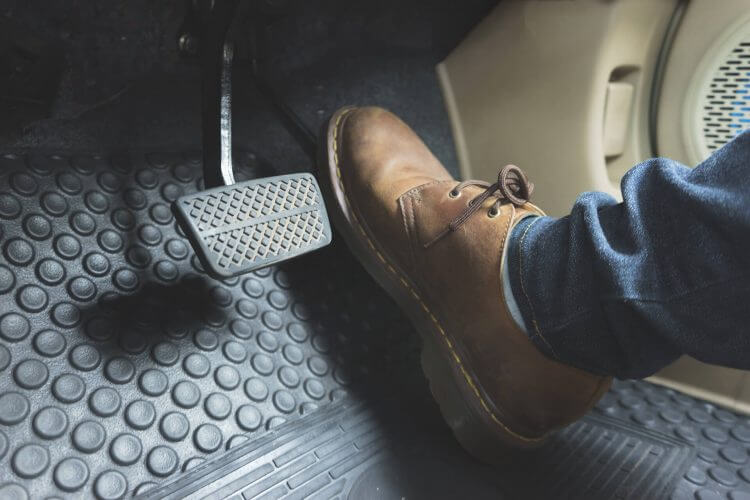
A foot pressing on CP.
CMC is an important part of every four-wheeler.

What Are the Symptoms of a Bad Clutch Master Cylinder?

Knowing what bad clutch master cylinder symptoms are will help you prevent a bigger and more expensive repair. Pay attention to the way the car performs and sounds. After all, nobody knows it better than you, so it will be easy to tell if something is off. However, how to tell if the clutch master cylinder is bad, and not something else? Let’s go over the list of signs that can indicate it is time to fix CMC, keep an eye on them, and you will be able to prevent bigger damage.

Clutch Pedal Feels Soft When You Press on It and Shifting Gets Difficult

This is one of the most common symptoms, and it is really easy to spot. When you put the foot down to press on the pedal, you won’t feel the usual resistance. This most likely means that there is a problem that is caused by a leak in CMC.

When the shifting gears get difficult, you will know there is something wrong. This symptom is fairly easy to notice while driving. Suppose the CP doesn’t return to its resting position as quickly as it should you have a problem on your hands. Because this suggests that there is a lack of pressure in the hydraulic system.

Transmission and Brake Fluid Get Low

When you notice there is something different about driving your auto, it is smart to check transmission fluid levels before you start tearing it apart, looking for a problem. If the levels are low, pour some liquid and check again. If you find that the liquid levels are once again low, it all indicates that the clutch master cylinder is leaking.

Also, check out brake fluids when you suspect that the auto is malfunctioning. You will easily spot the contaminated liquid, the color is darker and cloudier, and if you’re not sure what kind of color the original brake liquid is, grab a bottle from the garage and compare. The liquid that is not contaminated should be clear with a hint of yellow.

Floor Leaks and Strange Engine Noise

Engine bay or floor leaks are easily noticeable. When slave cylinders are failing, you will see it on the floor of the garage. Just check under your four-wheeler, and if there are pools of liquid, it is time for repairs.

Are you a fairly new driver battling with driving anxiety? Or a person that makes money as a driver? No matter who you are, hearing strange noises coming from the machine can’t be a pleasant experience. Those strange sounds usually indicate that something is wrong with the machine. Pay attention to loud sounds while the auto is in gear, and you are pressing on CP because if you hear something unusual, it could mean that the CMC is leaking.

Oil stain on tar.
Follow the signs, and you will know when it is the right time to repair the machine.

What Are the Other Signs of a Bad Clutch Master Cylinder

A hydraulic system is a complex part of every car and despite its sturdiness, there are plenty of things that can go wrong. That’s why there are other signs that can tell you are dealing with faulty CP and CMC:

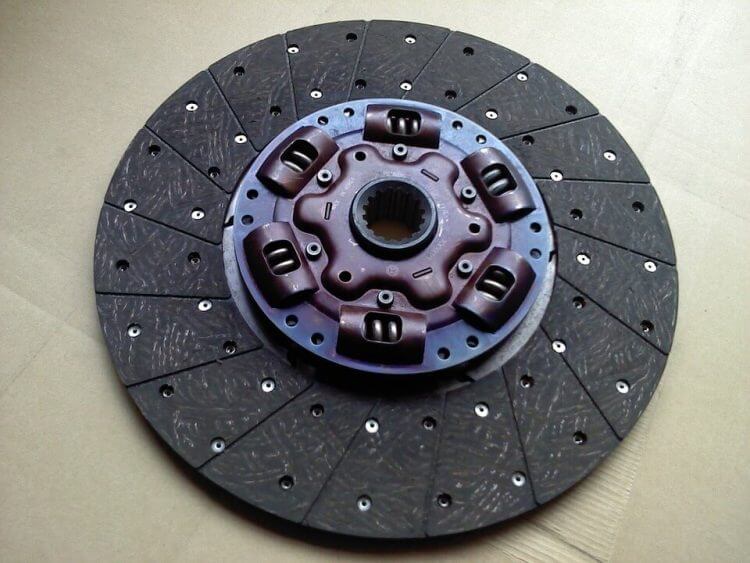
  • Dirt on the clutch disc – the disc surface is frictional on each side, and it is a point of connection between the transmission and the car engine. Sometimes a buildup of dirt on the disc can stop it from working as it should, and the debris can cause slippages and grinding.
  • Leaks in different hydraulic system areas – if the copper pipes that connect master and slave cylinders are old and faulty, they can cause leaking the same way the rest of the system can.
A vehicle part.
There are more than a few signs that CMC is going to fail.

What Happens When the Clutch Master Cylinder Goes Out?

It doesn’t matter if you are driving at night or during the day, your car should always be in good condition. If you happen to notice the problems with CMC, fix it immediately, and avoid putting yourself and your four-wheeler in danger. When the CMC goes completely, the CP falls to the floor, and it won’t automatically raise again. If this happens, you will be unable to shift into any gear, and you won’t be able to drive until the problem is fixed.

Four-wheeler by the road.
Don't drive with a broken CMC it is dangerous.

How to Bleed a Clutch Master Cylinder When You Replace the Failing One?

Replacing the CMC shouldn’t be that hard. If you are up for a DIY project, and you are sure CMC is the problem, park your car in the garage and get to work. Here is a video that will explain to you just how to replace the failing CMC and bleed a new one.

YouTube video

How to Tell If Your Clutch Master Cylinder Is Bad With a Simple Test?

Are you preparing for a road trip? Or maybe you want to drive around some of the most famous routes in the USA. Driving around is freeing, but it comes with a lot of responsibility, and only good drivers won’t be a danger on the road. No matter what your plans are, there are things every person should know if they want to become a better driver, and one of them is being able to test the CMC without taking your car to the mechanic.

If you opt for a DIY option, know that the procedure is simple enough. Start the vehicle immediately without pumping off the CP, and put it in reverse. If you can’t do it straight away, you may have a failing CMC. This combined with the symptoms we already mentioned, is enough reason to replace the failing part.

How to Test the Clutch Slave Cylinder

While tinkering around CMC, why not check the slave cylinder as well? Pop the bonnet and find the part you want to test. On the front, is a rod that is extended if everything is right. Get someone to press the CP while you are checking the rod, if it extends while somebody is pressing the pedal, everything is okay.

YouTube video

What Is the Cost of Clutch Master Cylinder Replacement

Have you decided to seek the help of a professional mechanic? Don’t worry, the replacement won’t cost you a lot. What kind of car do you own? Have you bought an old, used vehicle, or are you behind the wheel of one of the top-rated SUVs? Maybe you are an adventure seeker that wants to live their life on the edge, like people in one of the best car movies, so you have top-rated auto for off-road rides that will take you anywhere you want to go. When it comes to the overall cost of CMC replacement make and model of the car plays a major role.

Sometimes, the new CMC has to be bought. If professionals are handling this for you, expect to pay between $180 and $420. Prices of parts range from $100 to $300, and the mechanic shouldn’t take more than an hour to replace the old ones, which will resume in $80 to $120 labor fees.

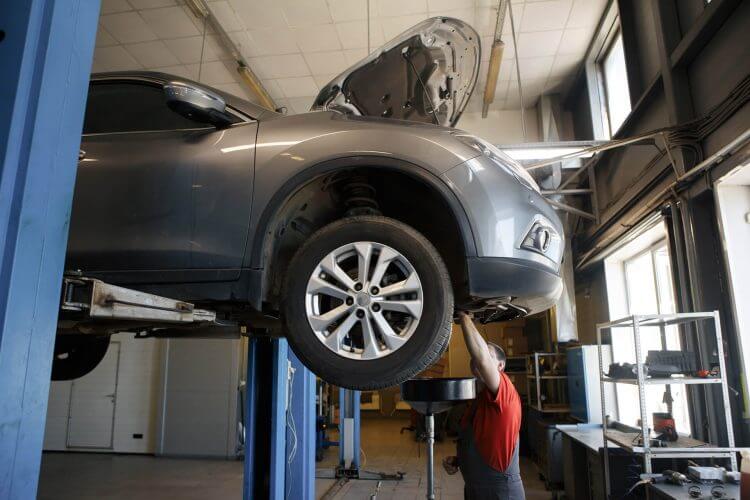
Mechanic under the car.
You can always let professionals fix your car.

How to Protect Your Clutch Master Cylinder From Failing

Modern cars are made out of sturdy components that last for a long time, that’s why a CMC will last between 50,000 and 100,000 miles before it needs to be replaced. However, if you are keen on increasing its duration, you can do a few things:

  • Try to change gears smoothly
  • Never leave the clutches half depressed
  • Use handbrake when you want to stop your car from rolling backward
  • Try not to revive the engine.
Man driving a car.
There are more than a few ways to protect CMC.

Get a New Car and Enjoy the Smooth Ride

If you are one of those people that like tinkering around the machines, you probably already know how to tell if a car thermostat is bad or if a spark plug is bad, and how to replace U joints in a few simple steps. And today, you learned how to tell if the CMC is bad. However, if you want to avoid getting hands dirty by constantly fixing up your four-wheeler, consider buying a new one.

Experienced professionals will offer you door to door auto transport and terminal-to-terminal car shipping, and depending on your schedule and budget, you can pick either. Also, pick the car shipping company that offers two types of trucks. You can opt for open trailers if buying affordable student cars, but you will need an enclosed auto transport option if you are getting some of the most expensive vehicles. No matter what, you will soon be able to drive around, enjoying a smooth and trouble-free ride.

FAQ

What Does a Clutch Master Cylinder Do?

The clutch master cylinder is an essential part of a manual transmission system, allowing smooth gear shifting by converting pedal pressure into hydraulic force. It ensures the clutch engages and disengages properly when you drive. If this component fails, shifting gears becomes difficult or impossible. This can be especially problematic if you’re preparing for a move and plan to drive your car across states. A malfunctioning clutch master cylinder can turn your relocation trip into a costly breakdown. Understanding how it works helps you spot early warning signs before you hit the road.


What Are the Common Signs of a Bad Clutch Master Cylinder?

Common signs of a bad clutch master cylinder include difficulty shifting gears, a soft clutch pedal, and visible fluid leaks near the pedal or under the hood. You might also notice inconsistent engagement or grinding sounds when changing gears. These symptoms tend to worsen quickly once hydraulic pressure starts failing. If you’re moving long-distance, these signs can become critical during travel. Addressing them early ensures you don’t end up stranded on unfamiliar roads. Getting your car checked before moving prevents unnecessary repair expenses mid-journey.

How Can I Test If My Clutch Master Cylinder Is Failing Before a Move?

Before a move, test your clutch master cylinder by checking the clutch fluid level and looking for leaks around the pedal area. Press the clutch pedal—if it feels soft, spongy, or sinks to the floor, the system may be failing. Inspect the fluid color; dark or dirty fluid indicates contamination or wear. If you’re relocating to another state, it’s smart to have a mechanic perform a quick hydraulic pressure test. This simple check can save you from roadside trouble during your drive. Testing early ensures your car is safe and reliable for your move.

What Happens If You Keep Driving With a Bad Clutch Master Cylinder?

Driving with a bad clutch master cylinder can lead to total clutch failure and transmission damage. You may lose the ability to shift gears, which can be dangerous—especially during a move. Being stuck in traffic or on a highway between states could result in expensive towing and major delays. Continuing to drive under these conditions risks overheating and further wear. Fixing the issue before moving ensures a smooth, uninterrupted trip. Preventive maintenance is always easier than emergency repairs far from home.

Can a Bad Clutch Master Cylinder Cause Gear Slippage or Grinding During a Move?

Yes, a bad clutch master cylinder can cause gear slippage, grinding, or inconsistent clutch engagement—issues that can ruin a long drive during a move. When hydraulic pressure drops, the clutch fails to disengage fully, making gear changes rough. This increases stress on your transmission and other parts. Long-distance driving can make these problems worse. Repairing or replacing the master cylinder before relocating ensures safer handling and fuel efficiency. A smooth transmission means a smoother moving experience overall.

How Can I Tell If the Problem Is the Master Cylinder or the Slave Cylinder?

If you notice clutch fluid leaking inside the cabin near the pedal, the master cylinder is likely the culprit. Leaks near the transmission or under the vehicle usually point to a bad slave cylinder. Both issues can cause a soft clutch pedal and difficulty shifting. For those preparing to move, it’s wise to have both components inspected during a pre-trip service. A quick check can prevent unexpected clutch failure while driving cross-country. Identifying the exact problem before relocating keeps your vehicle dependable for the road ahead.

How Often Should the Clutch Master Cylinder Be Checked Before Moving?

You should check your clutch master cylinder every few months or before any long-distance move. This includes inspecting clutch fluid levels, color, and leaks. Moving often involves long drives through varying terrains, which can strain an already weak clutch system. A pre-move inspection ensures the hydraulic system functions properly. Most repair shops can test it quickly as part of routine maintenance. Taking this step gives you confidence that your car will handle the entire relocation safely.

Can a Bad Clutch Master Cylinder Affect My Moving Schedule or Plans?

Yes, a bad clutch master cylinder can disrupt your entire moving schedule if it fails on the road. Without proper hydraulic pressure, your clutch may stop working mid-trip, forcing you to stop for repairs or towing. That means delays, unexpected costs, and extra stress on top of relocation logistics. Having your vehicle inspected before moving reduces these risks. A healthy clutch system ensures you can focus on your move rather than car trouble. Reliable transportation is key to a smooth and timely relocation.

What Should I Do If My Clutch Pedal Feels Soft or Stays on the Floor Before Moving?

If your clutch pedal feels soft or sticks to the floor before your move, don’t ignore it—it’s a strong sign of clutch master cylinder failure. Check the clutch fluid immediately and look for visible leaks. Driving with this issue during relocation could leave you stranded. Schedule an inspection as soon as possible to confirm the problem. Replacing or repairing the cylinder before moving ensures your car remains dependable throughout the journey. Fixing the issue now avoids emergencies later on the highway.

How Can I Prevent Clutch Master Cylinder Problems Before a Long-Distance Move?

To prevent clutch master cylinder issues before a long-distance move, perform regular maintenance and check the fluid often. Replace old or dirty clutch fluid to maintain system pressure. If your car has high mileage, have a professional inspect the hydraulic lines and seals. Doing this before relocation ensures your clutch won’t fail mid-trip. Preventive care helps you avoid delays, extra expenses, and stress during your move. A well-maintained car guarantees a smooth, worry-free transition to your new home.

Get a Quote
check mark
Download as PDF

Moving Checklist

Get a Free Estimate 323-524-0031