

How to Pack Coffee Maker | USA Auto Transport

How to Pack Coffee Maker When Moving Across the Country

April 3, 2024Moving Tips
Daisy Wilson

Daisy was born in Salt Lake City and in her free time, she writes about moving and watches Charmed.

Packing a coffee maker for a big move doesn’t have to brew trouble. In this guide on how to pack a coffee maker, we’ll steam through the process, ensuring that the cherished morning companion arrives intact. Moving kitchen appliances requires a thoughtful approach, and a coffee maker is no exception. With our tips, you’ll turn this task into a smooth blend of efficiency and care.

How to Pack Coffee Maker for a Cross-Country Move?

When preparing to pack a coffee maker for a cross-country move, getting organized to relocate is the first step in ensuring everything runs smoothly.

To pack efficiently, begin by gathering necessary supplies like bubble wrap, packaging paper, and a sturdy box slightly larger than the appliance itself.

50% of Americans drink espresso, cappuccino, latte, or iced coffee

This initial preparation aids in protecting fragile items during a move, especially important for delicate machines with glass parts. Wrapping the coffee maker securely in bubble wrap, placing it in the box surrounded by paper or peanuts, and sealing the box tightly with tape will ensure it stays safe and sound throughout the journey.

A BETTER WAY FOR MOVING!

Get A Quote

Why the Coffee Maker Needs Special Attention During a Move

Efficient packing strategies become paramount when planning a relocation, especially for appliances like espresso machines and drip brewers. These items often contain delicate components and glass carafes that demand special attention to prevent damage.

By investing time in proper packaging techniques, one can ensure there would be no unnecessary stress or need for repairs or replacement, and that invaluable morning ritual can continue from day one in a new city. The benefits of dedicated packaging include protection against bumps and jostles during transit, ultimately contributing to a stress-free relocation.

Different Types of Coffee Makers

The packaging process can be a bit difficult if you are unaware of the differences between coffee makers. But the most important thing to remember is that a manufacturer’s manual can be of great help. For additional info, have a look at our list of different appliances:

  • Single-serve pod machines – Compact and convenient, yet their mechanical parts and water reservoirs require careful emptying and wrapping.
  • Espresso machines – With their precision components and sometimes fragile steam wands, they need meticulous disassembly and bubble wrapping.
  • Drip brewers – Specific for their carafes made of glass or thermal materials, demanding bubble wrap and secure placement in boxes.
  • French press – Usually made of glass and stainless steel, it’s essential to wrap these in cushioning materials to protect from shock.

For a stress-free relocation, attention to the specific needs of each type helps avoid relocation mistakes, making sure all devices are ready to brew upon arrival.

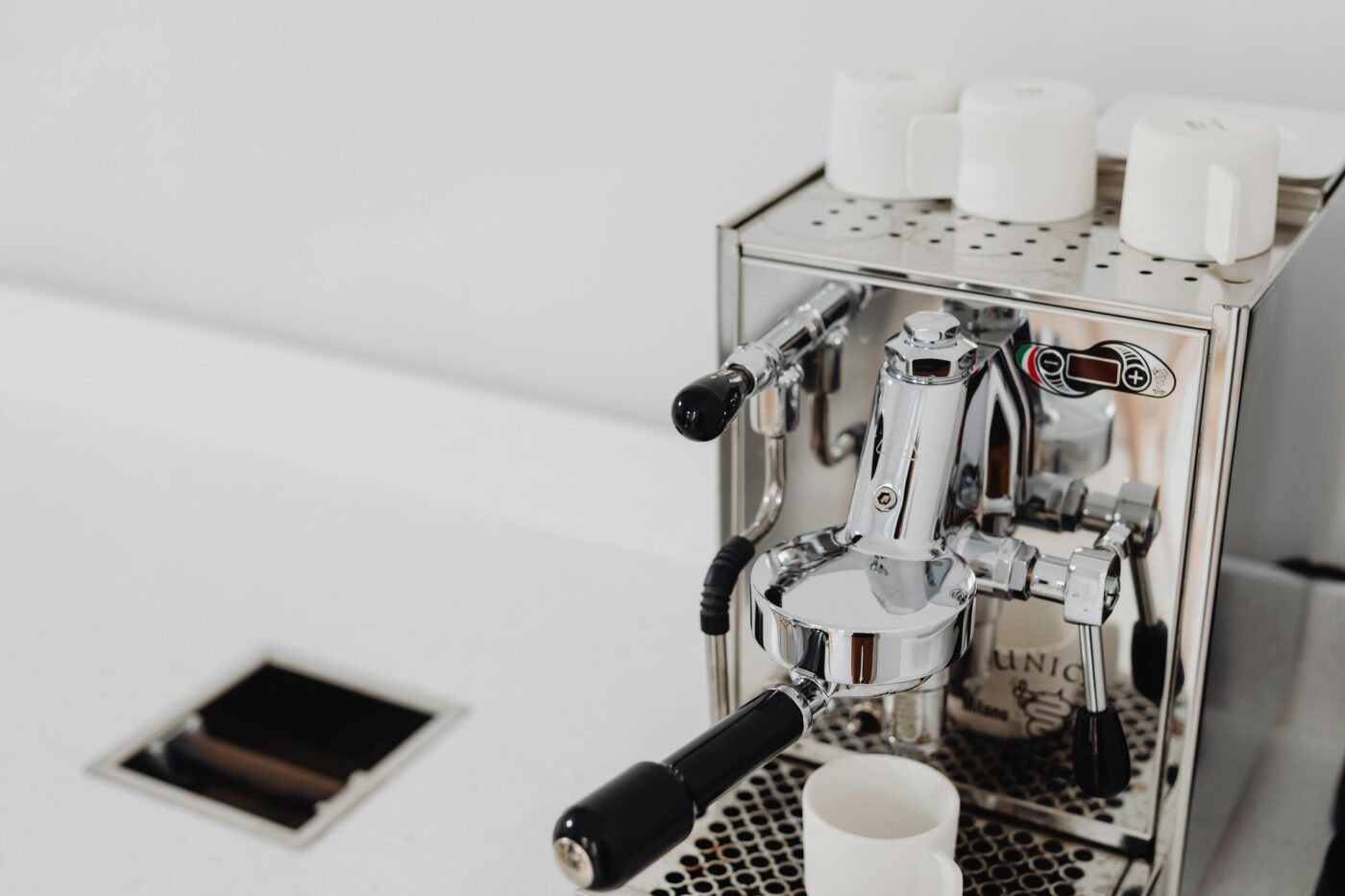
Close-up photo of an espresso machine
Packing a coffee maker requires organization and planning

Gather the Appropriate Materials for This Task

Next, collect the appropriate materials so that the appliance can be relocated safely, using different packaging materials tailored to protect sensitive items. For this task, acquiring supplies such as bubble wrap, sealable bags for small parts, and, if possible, the original box of the appliance, offers the best protection.

If the original box is unavailable, opting for a sturdy, double-walled cardboard box that closely fits the appliance with enough room for cushioning materials is most appropriate. List of packaging materials needed:

  • Bubble wrap for wrapping the appliance and fragile parts,
  • Sealable bags to securely hold small, removable parts and screws,
  • Original box is ideal for packing if available,
  • Sturdy, double-walled cardboard box, optimally a medium-sized one for its close fit and durability,
  • Tape to seal the box tightly,
  • Packing paper or foam peanuts for filling any gaps in the box, ensuring the appliance doesn’t shift during the move.
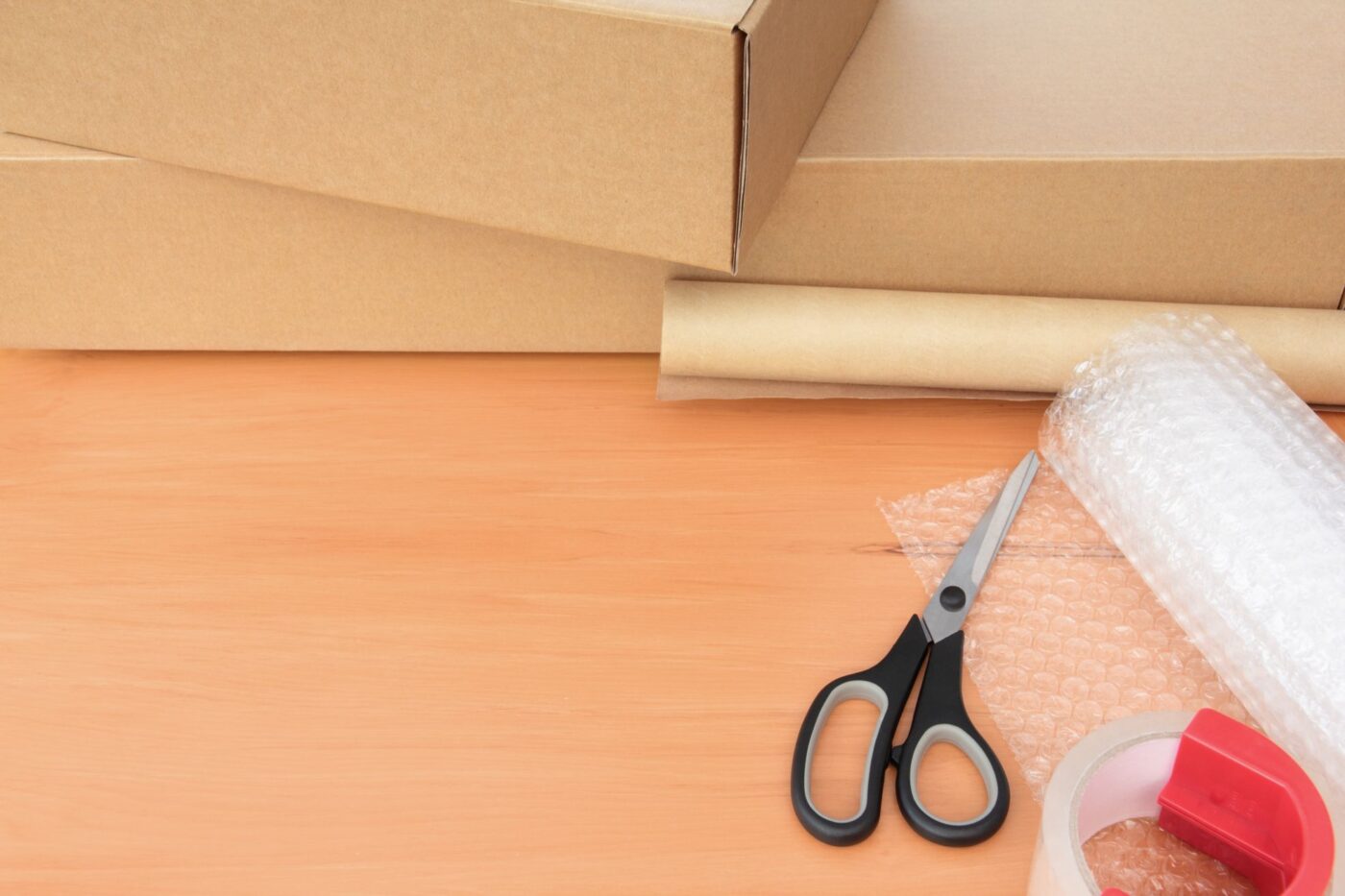
Bubble wrap and packing paper
Search online or visit supermarkets for purchasing packaging materials

Step-By-Step Instructions for Packaging the Appliance

Moving and packing advice often emphasizes the importance of a systematic approach, especially when relocating to a new home with delicate appliances in tow. The key to a successful move lies in understanding the best strategies for protecting each item. We will outline step-by-step instructions for packaging coffee makers, focusing on the preparation, wrapping, and boxing processes.

Prepare a Coffee Maker – Clean and Disassemble the Removable Parts

Cleaning and disassembling the removable parts of a coffee maker should be at the top of your to-do list so that it’s ready and safe for the move. Start by emptying the water reservoir and removing all used grounds.

Parts such as the drip tray, filter basket, and carafe need thorough washing to prevent mold and unpleasant odors during transport. For espresso machines, detach any milk frothers or water filters.

This process is not only essential for hygiene but also a crucial part of the move-out cleaning, making reassembly smoother. Properly drying each component before packing will prevent moisture from causing damage.

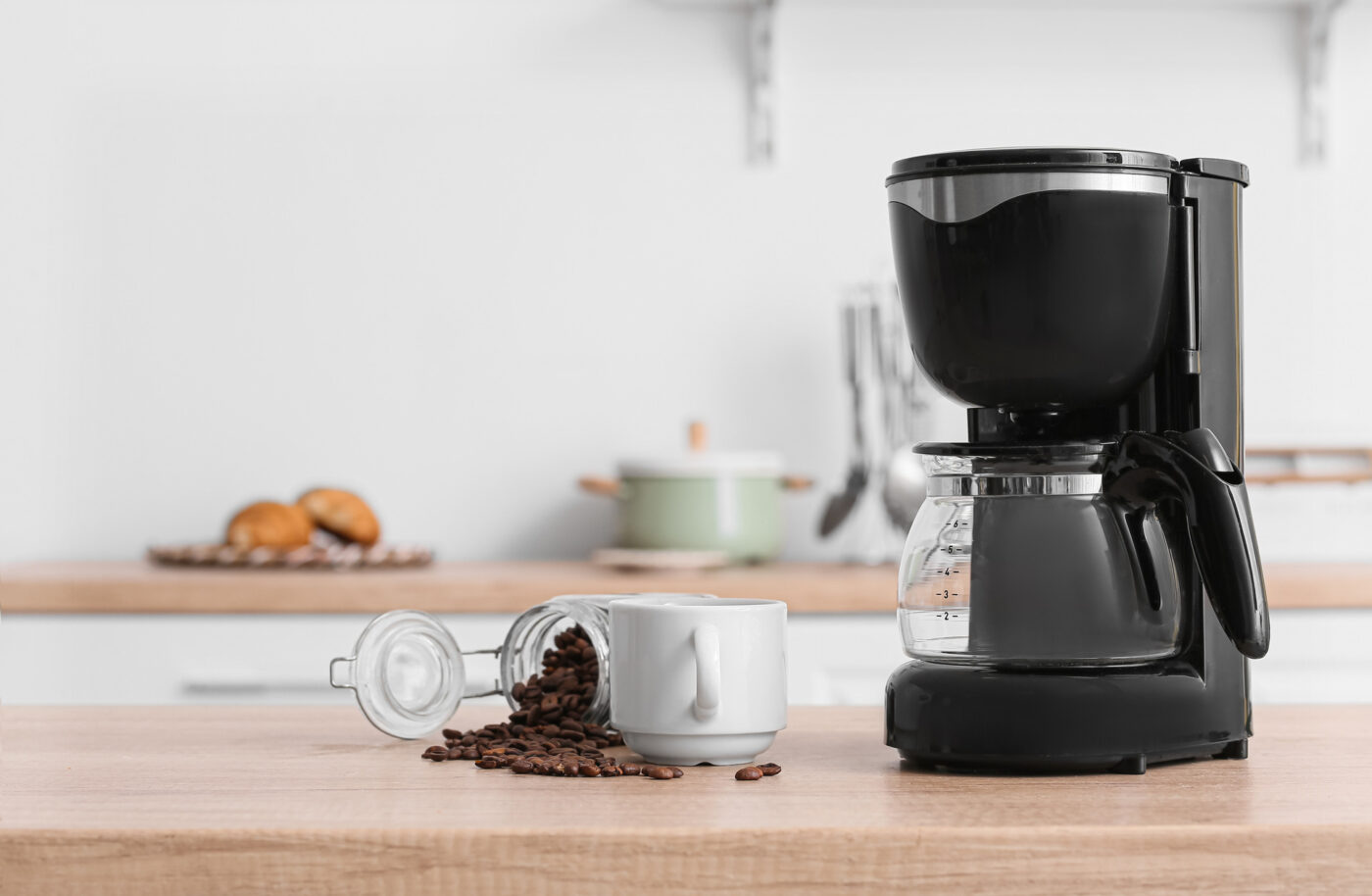
A black coffee maker
Even though disassembly means assembly later on, it's still an important step

Put All Fragile Parts in Bubble Wrap

Are you wondering how to pack a coffee maker glass carafe for shipping? Fragile parts like the glass carafe, filter holders, and any delicate dials or buttons on the machine need extra attention. Begin by wrapping the glass carafe in a thick layer of bubble wrap and securing it with tape to prevent unwrapping.

Similarly, protect other fragile components by individually wrapping them, making sure they’re cushioned and separated within the packaging box. This method not only preserves the integrity of sensitive parts but also makes the relocation easier by mitigating the risk of breakage.

Secure the Main Unit With Tape and Bubble Wrap

For secure appliance packing, wrapping the main brewing device in bubble wrap thoroughly is crucial to prevent it from breaking. Begin by encircling the body of the brewer with a generous layer of bubble wrap.

Check that all sides are evenly covered. Use tape to hold the bubble wrap in place, but avoid placing tape directly on the appliance’s surface. For extra protection, wrap the power cord separately before securing it to the unit, preventing it from dangling.

Prepare the Box and Fill the Gaps

After packaging fragile items, preparing the box for movers requires careful attention to cushioning. Choose a sturdy box that comfortably fits the appliance, allowing for padding around the sides. Place a layer of crumpled packing paper at the bottom of the box for initial cushioning.

After placing the wrapped appliance inside, fill the surrounding gaps with additional packing materials. This could include more crumpled paper, foam peanuts, or even soft, non-abrasive cloths. The goal is to prevent any movement inside the box, ensuring that the packed items remain stationary and protected.

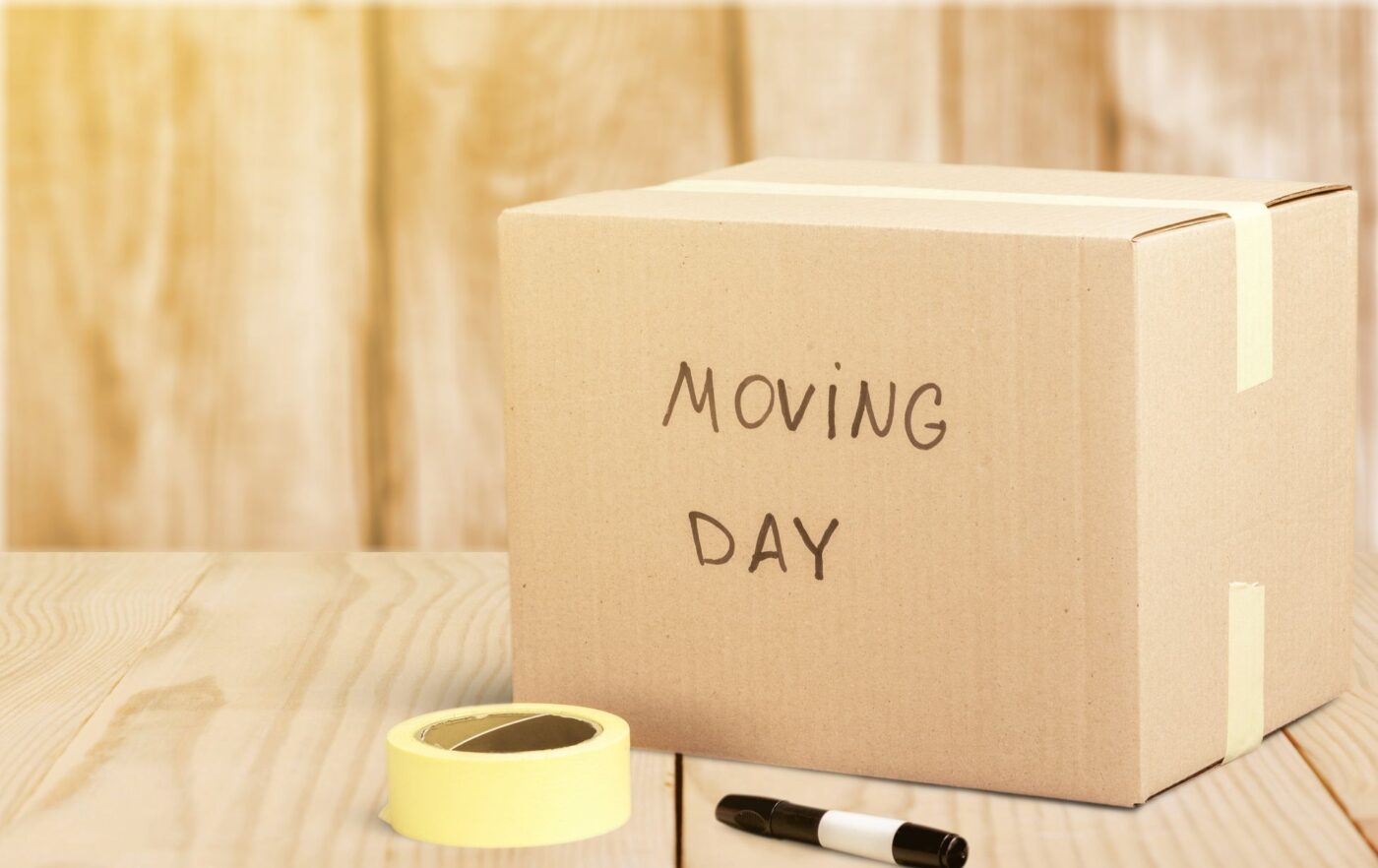
Box with essentials
After learning how to pack and ship a coffee maker, don't forget to use tips for labeling

Seal the Box and Label It For Easy Identification

Sealing the box and labeling it for easy identification are final, crucial steps for the safe transport of household goods. Using strong tape, seal the top and bottom seams of the box in a ‘H’ pattern to reinforce its integrity.

Add labels for relocation boxes, and write the contents and destination room (e.g., “Kitchen – Espresso Machine”) with a permanent marker on multiple sides of the box. This practice aids in quick identification and alerts handlers from the moving and car shipping company to the need for careful handling.

Adding symbols such as arrows to indicate the upright position or “Fragile” can further ensure the careful maneuvering and positioning of all boxes, making unpacking at the new residence smoother.

Do the Shake Test to Check if the Box Is Well Packed

Conduct the shake test on each box before you finalize the process because this can lead to less moving stress. So, double-check each box. To perform this test, gently shake the sealed box and listen for any movement inside. The absence of rattling or shifting sounds indicates that the contents are snugly packed and cushioned correctly.

If you detect movement, open the box and add more padding to fill the gaps so that the items inside cannot move during transport. This simple yet effective method verifies that your belongings are secure and minimizes the risk of damage, offering peace of mind.

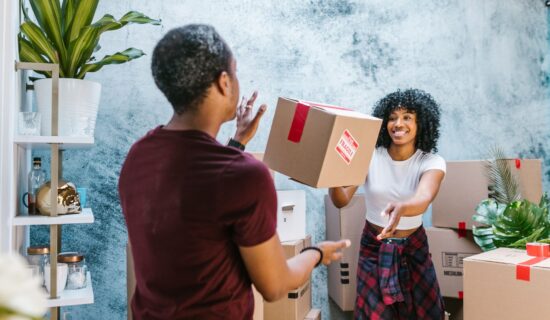
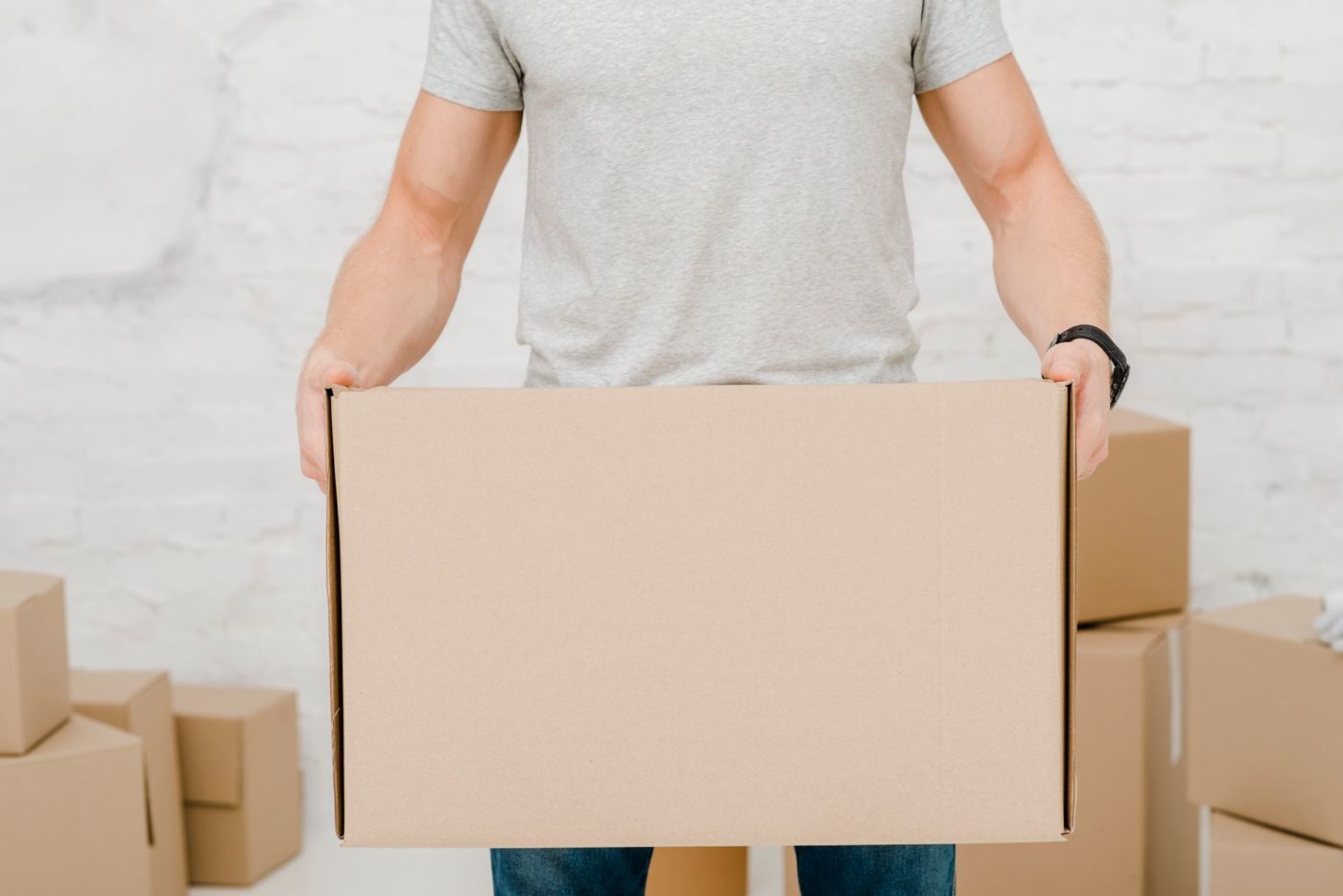
A guy carrying a box
The more cushioning materials you use, the better

Create an Inventory List

Creating a relocation inventory is a pivotal step in organizing and preparing electronics for relocation. This comprehensive list serves not only as a record of what has been packed but also as a critical tool for insurance purposes. By cataloging each item, including the treasured coffee maker, individuals can have a clear reference in case of loss or damage.

Additionally, taking a photo inventory enhances this documentation, providing visual evidence of the condition of each item before the move. This can be invaluable for insurance claims, offering undeniable proof of any discrepancies or damages incurred during transport.

Leverage Professional Moving Services for Kitchen Appliances

Leveraging professional moving services for kitchen appliances can significantly ease the transition process. Professionals have the expertise to handle delicate items like coffee makers and other belongings with care so they reach their destination safely.

To find the right movers, it’s advisable to conduct thorough research and check reviews on reputable platforms, such as the Better Business Bureau website, which provides ratings and feedback on companies’ reliability and customer satisfaction.

Requesting quotes from several companies allows for comparing services and prices, helping to make an informed decision. Request professional packing services if you are not sure about your packaging skills. Ensure that the chosen movers are licensed and insured, offering specific experience in handling kitchen appliances for added peace of mind.

Open Carrier Auto Transport

Read More

Enclosed Auto Transport

Read More

Additional Services for an Effortless Relocation

For an even smoother relocation experience, requesting additional services offered by moving and auto transport companies like USA Auto Transport can be beneficial. Services such as car shipping, with options for open and enclosed auto transport, can simplify the process.

Open transport is more affordable and convenient for standard types of vehicles, while enclosed transport offers added protection for luxury or classic cars, shielding them from the elements. These services, coupled with professional handling of household goods, can transform a potentially stressful relocation into an organized, effortless transition.

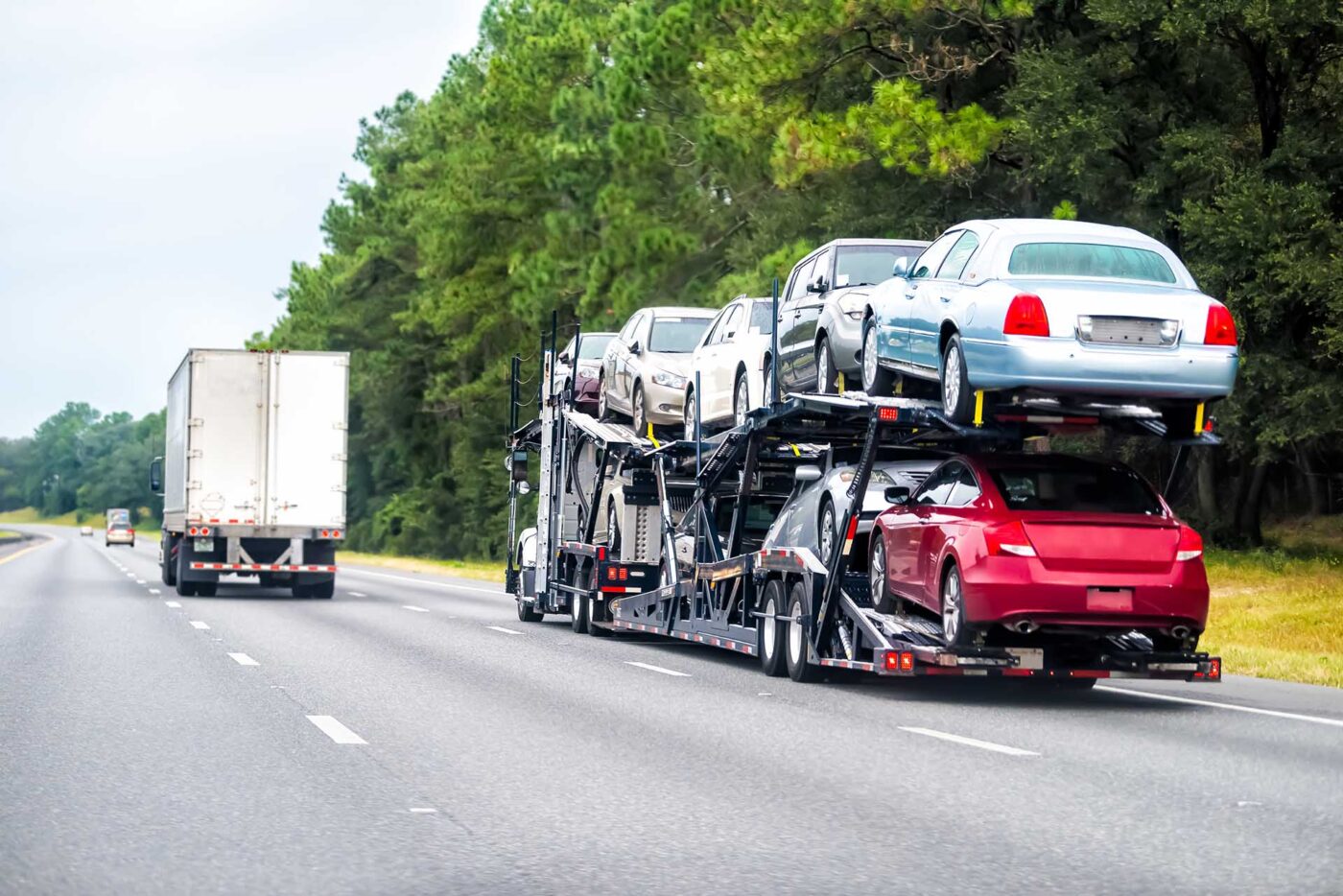
Truck trailer hauler transportation, commercial transport hauling brand new cars for auto dealership on Florida highway road
Apart from moving services, you might benefit from car shipping services as well

For a Safe Coffee Maker Transport, Book USA Auto Transport Company

For safe coffee maker transport and seamless relocation, USA Auto Transport stands out as the premier choice. With our expertise in handling delicate kitchen appliances and offering comprehensive relocation solutions, we ensure every item is securely transported. Bear in mind that we have been shipping cars in the USA for a long time and offer door-to-door auto transport and terminal-to-terminal car shipping.

By choosing us, you’re not just moving, you’re moving with confidence. For a hassle-free relocation experience that prioritizes convenience, contact us, USA Auto Transport. Let us take the weight off your shoulders, making sure the relocation is as smooth and efficient as possible.

FAQ

How Should I Clean My Coffee Maker Before Packing It for a Move?

Before moving across the country, clean your coffee maker thoroughly to prevent mold or residue buildup during transport. Run a few cycles with clean water to flush out any leftover coffee or minerals, then rinse several times. Let all components dry completely before packing. Moisture can cause odors or corrosion inside the machine. Wipe the exterior with a soft, damp cloth to remove dust or stains. Performing a deep pre-move cleaning keeps your coffee maker fresh and ready to use in your new home.
What Type of Packing Materials Are Best for Fragile Appliances Like a Coffee Maker?

When packing a coffee maker for a long-distance move, use bubble wrap, foam padding, and sturdy boxes designed for small appliances. Wrap each part individually to prevent scratches or cracks. Fill empty spaces in the box with packing paper or towels to keep the appliance from shifting. For added security, double-box the coffee maker if it’s a high-end model. Always label the box “Fragile – Kitchen Appliance.” Using high-quality protective materials ensures your coffee maker arrives safely after the move.

Can USA Auto Transport Provide Packing Materials or Assistance for Packing Kitchen Appliances?

Yes, USA Auto Transport and Moving offers professional packing materials and services for delicate kitchen items like coffee makers. Our team can provide moving boxes, bubble wrap, and appliance-specific padding. Movers are trained to secure electronics and fragile components properly. This service saves time and reduces stress during relocation. You can request packing assistance when booking your move. Taking advantage of professional packing support guarantees safe handling from start to finish.

What Should I Do if My Coffee Maker Has Multiple Detachable Parts?

If your coffee maker includes detachable parts, pack each component separately for better protection during your cross-country move. Remove water reservoirs, filters, or glass carafes before wrapping them in bubble wrap. Place small accessories in labeled plastic bags. Keep all pieces together inside the same box for convenience. Avoid taping parts directly to the appliance. Practicing organized component packing prevents breakage and makes reassembly quick at your new home.

How Can I Ensure My Coffee Maker and Other Appliances Are the First Things Unpacked at My New Home?

To make sure your coffee maker and other essentials are unpacked first after moving across the country, pack them in a clearly labeled “Essentials” box. Use bright tape or a special color for identification. Load the box last into the moving truck so it’s unloaded first. Keep it near other frequently used kitchen items like mugs or utensils. Communicate with movers about your priority items. Establishing an essentials unpacking plan keeps your first morning in your new home stress-free.

How Do I Pack a Coffee Maker With a Glass Carafe for a Long Move?

For coffee makers with glass carafes, wrap the glass separately in bubble wrap or towels before packing. Place it in a smaller box within the main box for extra cushioning. Keep it away from sharp or heavy objects. Label that section “Fragile – Glass.” If possible, pack it upright to avoid pressure. Ensuring extra carafe protection prevents breakage during bumpy cross-country transport.

Should I Use the Original Box to Pack My Coffee Maker?

Using the original box is ideal when moving your coffee maker across the country, as it fits perfectly with built-in padding. If the box is unavailable, choose one just slightly larger than the machine. Add extra foam or bubble wrap to minimize movement. Reinforce corners with packing tape for stability. Ensure the box is clean and dry to prevent damage. Reusing manufacturer-approved packaging offers the best protection during relocation.

How Can I Prevent My Coffee Maker From Moving Around Inside the Box?

To prevent shifting while packing a coffee maker for long-distance moving, fill empty gaps with soft padding materials. Use crumpled paper, towels, or air cushions to lock it in place. The goal is zero movement inside the box. Shake it gently before sealing to test stability. If you hear anything rattle, add more filler. Creating a secure internal fit helps protect fragile components from vibration damage.

Should I Pack My Coffee Maker With Other Kitchen Appliances?

When moving across the country, it’s best to pack small appliances like coffee makers separately. Combining multiple items increases the risk of scratches or pressure damage. Use individual boxes for blenders, toasters, and mixers. Label each clearly for organized unpacking. If space is limited, separate appliances with thick foam or cardboard dividers. Keeping appliances safely isolated reduces the chance of breakage in transit.

What Should I Do if My Coffee Maker Gets Damaged During the Move?

If your coffee maker arrives damaged after moving across the country, document the issue immediately with photos. Contact your moving company to file a claim within the required timeframe. Keep all packing materials for inspection. Check your warranty to see if it covers transport-related damage. For minor issues, replacement parts may be available from the manufacturer. Reporting shipping damage promptly increases your chances of quick reimbursement or repair.

How Should I Store My Coffee Maker if I Won’t Unpack It Right Away?

If you’re not unpacking immediately after moving long-distance, store your coffee maker in a cool, dry place. Avoid garages or damp basements where moisture can accumulate. Keep the box upright and labeled for easy identification later. Don’t place heavy boxes on top of it. Check periodically for signs of condensation or mold. Following safe temporary storage steps preserves your appliance until you’re ready to settle in.

Get a Quote
check mark
Download as PDF

Moving Checklist

Get a Free Estimate 323-524-0031