How to Transport a Car from One State to Another | USA Auto Transport

How to Transport a Car from One State to Another

February 8, 2024Car Shipping Essentials
Kate Holland

A true grunge and rock music fan born in Seattle, Kate has moved across the country and started writing about her experience.

Shipping cars in the USA from one state to another can be a difficult task, but with careful planning and the right approach, it can be a smooth and stress-free process. In this guide on how to transport a car from one state to another, we will explore the key steps and options available to ensure the vehicle’s safe and efficient transportation across state lines, whether you choose to do it yourself or hire a professional service.

When it comes to long-distance auto transport, careful planning, selection of the right transportation method, and booking with a reputable company are crucial. Document the car’s condition, prepare it for the journey, and choose between open or enclosed trailers and door-to-door or terminal-to-terminal service. On the relocation day, ensure paperwork is in order, inspect the vehicle, and disable alarms.

Start Planning the Interstate Car Transport in Time

Planning the interstate car shipping journey requires careful consideration of several factors. Start by researching the available methods of car transportation, such as open or enclosed auto transport, and assess the vehicle’s condition. Document that with photos and notes. Ensure it’s in good working order before transportation.

Choosing the Right Auto Transport Company

Selecting a reputable car shipping company is crucial. Begin by reading reviews and seeking company recommendations. Look for licensed, insured, and DOT-registered companies with a good track record. You can check the company’s legitimacy on websites such as Better Business Bureau. Request quotes from multiple companies, but don’t solely base the decision on price.

A BETTER WAY FOR MOVING!

Get A Quote

Budgeting for a Car Transportation Process

Budgeting for interstate car transport involves various factors affecting the total car transport cost estimation. Factors include distance, type of trailer (open or enclosed), vehicle type, timeframe, and seasonal demand.

Additionally, any extra services you require, such as door-to-door delivery or additional insurance coverage, will impact the overall cost of shipping a car. Carefully assess these factors to create a realistic moving budget.

Calculator with writing cost on display
Additional services may take a toll on the overall transportation costs

Prepare the Vehicle for Shipping

Before the four-wheeler embarks on its interstate journey, proper preparation is essential to ensure a smooth and stress-free experience. This involves two key aspects – vehicle transport inspection and documentation, as well as the necessary steps to ready it for the long-distance trip ahead.

Start With a Detailed Inspection and Documentation

To begin, it’s crucial to thoroughly inspect the vehicle and document its current condition.

This inspection serves as a critical reference point. Ensuring that any pre-existing damage is documented before the transport takes place.

Take clear photographs from various angles, paying close attention to any existing scratches, dents, or other imperfections. Additionally, make written notes of the car’s condition, including any mechanical issues or specific features that require special attention during shipping.

With car prices increasing over 4% in the last year, it's better to ship a vehicle when moving than buying a new one

Preparing a Car for Interstate Transport 101

Once you’ve documented its condition, it’s time to prepare the car for the journey. Start by removing all personal items, as most companies require an empty vehicle interior. Ensure that the fuel tank is only partially filled, ideally no more than a quarter full, to reduce the overall weight.

Check and adjust the tire pressure to the recommended levels, as properly inflated tires can help prevent any damage during transport. Finally, disable car alarms and other devices meant to prevent theft to avoid unnecessary disruptions during transit. By adhering to these steps, you’ll help ensure that the four-wheeler is well-prepared for its journey to another state.

A nice-looking Honda with a spoiler in the back
Take a good look at the vehicle and inspect it for any damage

How to Transport a Car from One State to Another Successfully – The Key is in Good Choices

When it comes to transporting the vehicle from one state to another, choosing the most appropriate transportation method is crucial. Two key aspects in this process are the choice between enclosed and open transport and opting for either door-to-door or terminal-to-terminal auto transport.

What are the Differences Between Open and Enclosed Car Transport

One of the first decisions you’ll need to make is to opt between open or enclosed car transport. The open trailer option involves placing the vehicle on an open trailer, leaving it exposed to the elements during shipping. It’s a cost-effective option, well-suited for standard car models.

On the other hand, enclosed transport utilizes an enclosed trailer, providing protection from weather, road debris, and potential damage. This method is recommended for high-value or classic cars, ensuring they reach a new home in pristine condition.

Door-to-Door vs. Terminal-to-Terminal

Another aspect to think about is the pick-up and delivery options. Door-to-door car transport services involve the transportation company picking up the car from your location and delivering it directly to the desired destination, offering convenience and saving you time.

In contrast, terminal-to-terminal car shipping requires you to drop off the vehicle at a specific terminal and pick it up from another terminal at the destination. While terminal-to-terminal service may be more affordable, it can be less convenient and may result in longer transit times. Selecting the right option depends on your preferences, schedule, and the level of convenience you require.

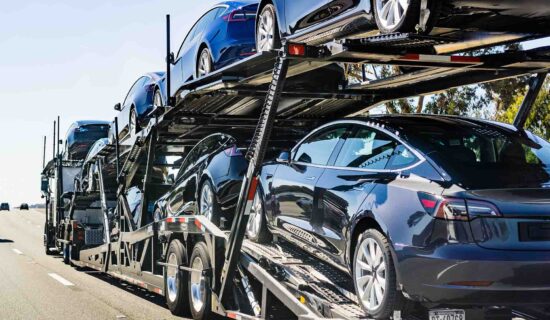
Car carrier trailer truck with brand new SUV cars
Open trailers are more affordable but expose the cars to weather conditions

Booking and Scheduling the Shipping Services

Booking and scheduling car shipping service are pivotal steps in ensuring a smooth and hassle-free experience. This involves the reservation process and preparing for the day when the vehicle will be transported.

Booking Car Transport Service

Booking vehicle transportation service begins by selecting a reliable transportation company. Once you’ve made a choice, contact the company to initiate the booking process. You’ll need to provide essential information such as the pick-up and delivery addresses, desired dates, and details about the vehicle. Clear communication with the company is key to ensuring that the vehicle is scheduled for transportation on the desired moving day.

Preparing for the Big Transportation Day

On the scheduled shipping day, there are several important steps to take to ensure a seamless process. Here’s a concise list of what to do:

  • Paperwork – Ensure all necessary car transport paperwork is ready, including your driver’s license, vehicle registration, and any documentation provided by the company.
  • Vehicle inspection – Perform a final inspection, documenting any existing damage or issues. This will serve as a reference point in case of any discrepancies upon delivery.
  • Remove personal belongings – Remove all personal things from the vehicle. Companies typically do not allow personal items in the vehicle during transportation.
  • Disable alarms – If your car is equipped with an alarm or other anti-theft device, disable them to prevent unnecessary disruptions during transit.
  • Fuel level – Keep the fuel tank at a quarter full or less, as a full tank adds unnecessary weight.
  • Provide keys – Provide a set of keys to the company, including ignition, trunk, and any other necessary keys.
Polestar 2 electric vehicle/car
Before shipping a car take all the necessary preparation steps

Here Is How The Car Transportation Process Works

Knowing the car shipping process is essential to alleviate any concerns and ensure successful interstate vehicle transport. This process involves two key aspects – loading and transit.

How Do Loading and Transit Work?

Once the vehicle is scheduled for transport, it will be loaded onto a car carrier for the journey between states. In the case of open trailers, it will be secured on a carrier, along with other vehicles. For enclosed trailers, it will be placed within an enclosed trailer, offering additional protection from the elements and road debris.

During loading, professional auto transporters use specialized equipment and securement methods to ensure the vehicle’s safely positioned for transit. It will remain securely fastened in place for the duration of the journey, minimizing the risk of damage or shifting during transport. The transporter will then proceed to the destination state, adhering to safety regulations and delivering the vehicle in the same condition it was loaded.

Enclosed Auto Transport

Read More

Open Carrier Auto Transport

Read More

The Process Ends With You Receiving the Car in the New State

Once it has safely arrived in the new state, it’s essential to be prepared for the final stages of the vehicle transportation process. This involves conducting a thorough delivery inspection and documentation, as well as completing the necessary paperwork to finalize the transaction.

Delivery Inspection and Documentation

Upon receiving the vehicle in the new state, it’s essential to perform a detailed inspection of its condition. Carefully examine it from all angles, comparing its current state to pre-transport documentation and photographs. Check the mileage, test key functions, and take photographs of any new damage or discrepancies. If any issues arise, promptly communicate them to the shipping company.

Finalizing the Transaction

With the delivery inspection completed, the final step is to wrap up the transaction and paperwork associated with shipping. Carefully review and sign all provided documents, including the Bill of Lading. Ensure any remaining balance is paid to the shipping company as agreed upon in the contract.

After the transaction is complete, provide feedback or a review of your experience with the transport company to help others make informed decisions. This ensures a smooth and well-documented process, allowing you to address any issues promptly and finalize the car shipping transaction with confidence.

A woman's hand passes the key to the car. Buying a car or renting.
The very last step is finalizing the paperwork

Driving Towards a Seamless Interstate Car Transport Experience

In conclusion, shipping a vehicle from one state to another involves a series of important steps and considerations. From careful planning, selecting the right shipping method, and choosing a reputable company to preparing a vehicle, every detail plays a role in ensuring a successful interstate car transport. If you’d like to have peace of mind throughout the entire process, contact USA Auto Transport company, and our professional moving services will make sure all your belongings, not just the four-wheelers, arrive without a scratch.

How Can I Find a Reputable Auto Transport Company for Interstate Car Transport?

To find a reputable auto transport company, start by conducting online research and reading customer reviews. Seek recommendations from friends and family. Ensure the chosen company is licensed, insured, and DOT-registered. Check their experience and ask for references. Request transportation quotes from multiple companies and inquire about delivery options and additional services.

What Factors Affect the Cost of Transporting a Car Between States?

Several factors affect the cost of interstate vehicle shipping, including distance, type of transport (open or enclosed), vehicle type, timeframe, seasonal demand, and additional services like door-to-door auto transport or insurance coverage. These factors collectively determine the total cost of transporting a vehicle between states. Shorter distances typically cost less per mile than cross-country shipments. Booking in advance often helps lock in lower prices. Understanding key pricing variables allows you to budget accurately for your interstate move.

How Should I Prepare My Car for Long-Distance Interstate Transportation?

Preparing your vehicle for long-distance auto transport involves cleaning it, photographing its condition, and removing personal items. Ensure your gas tank is no more than a quarter full to reduce weight. Check tire pressure, battery charge, and fluid levels. Disable alarms or toll tags to avoid issues during shipping. Keep a spare key handy for the driver. Following a thorough pre-shipment checklist helps protect your car and streamlines the transport process.

What Are the Advantages of Open vs. Enclosed Car Transport Methods?

Open transport is suitable for standard vehicles and more cost-effective but exposes your vehicle to the elements. Enclosed transport provides protection from the elements and road debris, making it ideal for classic or expensive cars. The choice between these methods depends on the vehicle’s value and your budget.

What Should I Check During the Vehicle Inspection Upon Delivery in the New State?

During the vehicle inspection upon delivery in the new state, check for any new damage or moving mistakes that may have occurred during transport. Compare the vehicle’s condition to the documentation created before transport and ensure it matches. This step is crucial for resolving any potential issues with the shipping company or insurance claims.

How Long Does It Take to Ship a Car From One State to Another?

The typical transit time for interstate car shipping ranges from 3 to 10 days, depending on distance and route. Short routes, like regional moves, can take just a few days. Cross-country trips may take a week or more. Weather, traffic, and carrier schedules also influence timing. Most transport companies provide estimated delivery windows and updates along the way. Knowing average delivery timelines helps you plan your move with confidence.

Is My Vehicle Insured During Interstate Transport?

Yes, reputable auto transport companies provide insurance coverage while your car is in transit between states. However, insurance levels vary depending on the carrier. Always ask for proof of coverage and clarify claim procedures before booking. Review your personal auto policy to check for additional protection. Keep copies of all related documents and inspection reports. Verifying comprehensive insurance coverage guarantees peace of mind during your move.

Can I Ship a Non-Running or Classic Car Between States?

Yes, many companies specializing in interstate car transport can handle non-running, vintage, or classic vehicles. Non-operational cars require special equipment like winches for loading. Classic cars often benefit from enclosed transport for maximum protection. Inform the carrier about your vehicle’s condition before pickup. Additional fees may apply for special handling. Selecting the right transport service ensures safe and damage-free delivery of your prized car.

Can I Leave Personal Belongings in My Car During Transport?

Most carriers discourage leaving personal items inside your car during interstate transport. Extra weight can affect shipping costs and insurance coverage. If allowed, keep small items below window level and under 100 pounds. Avoid storing valuables or electronics. Check your carrier’s specific policy before packing anything inside. Following personal item restrictions helps prevent loss or damage during the journey.

How Can I Track My Vehicle While It’s Being Transported?

Most interstate auto transport companies now offer GPS tracking or regular status updates via phone, text, or email. Ask your carrier about tracking features before booking. You can monitor your car’s progress and estimated arrival time. Some companies provide online portals for real-time updates. Tracking ensures transparency and peace of mind throughout the trip. Having real-time vehicle updates keeps you informed from pickup to delivery.

Get a Quote
check mark
Download as PDF

Moving Checklist

Get a Free Estimate 323-524-0031